Before starting, households navigate who loads or unloads, frequent partner reloading, ongoing pre-rinse debates, and timing norms such as nighttime or off-peak runs. Many use clean/dirty indicators and involve kids, while some prefer the primary user to load to maintain standards.
Households enforce clear rules about what can go in the dishwasher, commonly excluding knives, cast iron/Dutch ovens, wood-handled tools, and some nonstick or delicate items. Plastics are typically restricted to the top rack to prevent damage. These rules are framed as protecting items and are often strictly enforced.
People start this load to restore kitchen order, ensure specific items are ready soon (e.g., mugs, bowls, lunchboxes), and sanitize baby or pet items. These time-bound needs determine what must be included and why the cycle runs now.
When an item of concern is identified, it is most often cookware (including coated), fragile glassware, or plastics. The primary worries are incomplete cleaning and potential damage or breakage. Common mitigations include top-rack placement, extra pre-rinsing, or handwashing/excluding the item.
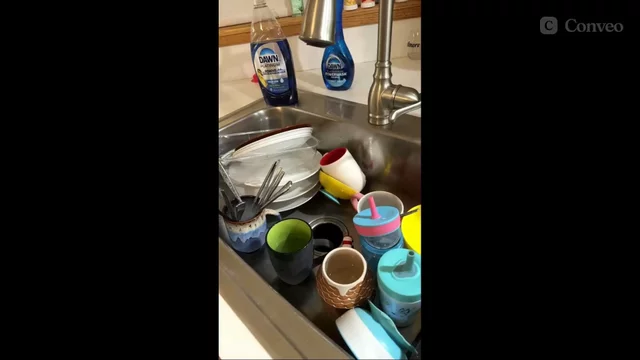
Pre-wash loads are typically mixed and dominated by plates, bowls, cutlery, mugs, and daily glassware, with frequent plastics and some cookware. Most are rated moderately dirty, driven by dried-on crumbs and greasy residues from routine meals.
Pre-rinsing—ranging from a quick rinse to a full rinse-and-scrub—is the dominant habit and observed behavior. Motivations include ensuring a thorough clean, avoiding rewashing, and preventing clogs or odors. Only a minority load items as-is. Clear guidance should explain when rinsing is sufficient or unnecessary and address plumbing and filter concerns.
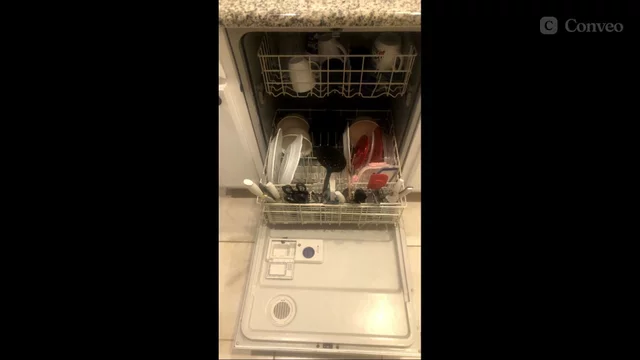
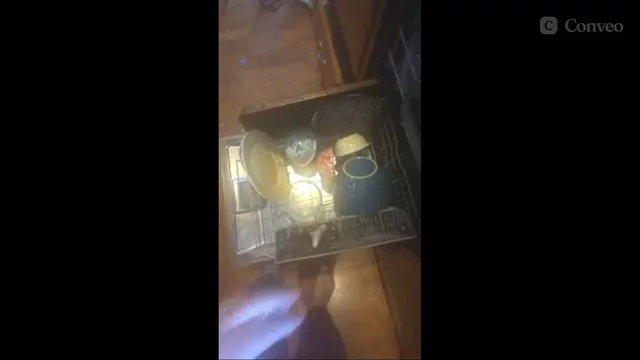
About half report overpacking, stacking/nesting, or nonstandard placements to fit more and avoid extra cycles; some hope to improve cleaning. Action: Provide spacing cues, capacity visuals, adjustable supports, and warnings when spray paths are blocked.
Baskets are more common than flat trays. Practices vary: mixing vs. separating types, heads up for cleaning vs. handles up for safety. Action: Provide clear guidance and consider modular baskets that enforce handle-down while spacing heads apart.
Normal/Daily is the go-to cycle. Users pick one to two goals centered on cleanliness (sometimes drying), read the program name from the display, and expect 45–149 minutes. Action: Make Normal the one-tap path optimized for cleaning; surface dryness or speed options only when selected as secondary goals.
A subset selects Quick/Express to finish fast or save resources, accepting reduced drying—especially for plastics and top-rack items. Action: When Quick is chosen, offer one-tap Dry Boost or a rinse-aid reminder and set wetness expectations.
All-in-one tablets/pods are the primary detergent. Most use one pod per load and no boosters or rinse aid. Action: Default guidance and UI can assume 1 pod, no additives; nudge rinse aid only when drying is a priority or plastics are present.
People reliably place plates on the bottom rack; bowls, glasses, cups, and plastics on the top; and cutlery in the bottom basket. Many tilt concave items to prevent pooling. Action: Reinforce these placements and promote angling/tilting via quick tips and rack cues.
Drying is a common secondary goal, yet most rely only on the main detergent. Wet plastics and concave items are frequent outcomes. Action: Add smart nudges to enable or refill rinse aid when dryness is selected, plastics are loaded, or quick/eco programs are used.
Despite high overall satisfaction, baked-on or sticky residues on specific items (e.g., pots, pans, mugs, creviced parts) often survive the cycle, prompting spot rewash or brief hand-scrubbing. Causes are tied to soil level and item geometry, suggesting callouts for high-risk items/soils.
Success includes clean, intact delicate or valued items with zero damage. Users mitigate risk by top-rack placement or exclusion (e.g., knives, nonstick), reflecting low actual damage but persistent anxiety—indicating a need for reassurance and protective guidance.
Lightweight bowls, cups, and plastics can flip or migrate under spray, leading to pooling, trapped debris, and wet results. Participants want ways to secure or contain these items, especially on the top rack.
Users consistently credit spacing, angling, and rack assignment for clean, dry, damage-free results. When problems occur (pooling, missed soils), they blame overlap or blockage and fix it by rearranging on future runs—signaling a need for clearer loading guidance or feedback.
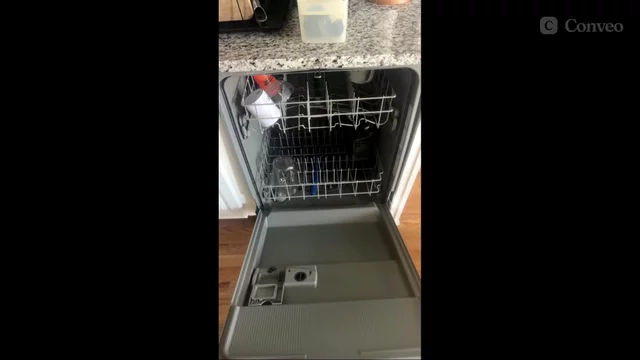
Plastics and items with lips or crevices trap water and often exit damp even when overall cleaning is good. Many participants routinely towel- or air-dry these pieces, noting dryness varies by item shape/material, cycle choice (e.g., quick/eco lacking dry), and when the door is opened.
Practical habits streamline post-wash handling and cut rework: clean/dirty indicators, re-washing a partially clean load when adding new items, storing dishes in the machine, and unloading bottom-first to avoid drips.
Rinse aid and higher-heat or sanitizing options reduce spotting and improve dryness, while quick/eco cycles commonly leave items wetter. Some users report their model effectively requires rinse aid to meet dryness expectations.