
Household Dynamics Shape Pre-Wash: Reloading, Rinse Debates, Status Cues, and Nighttime Runs
Facets
These facets are broadly related to the theme.
Actual preparation for this loadClassified by AI
What the participant actually did for the current load (used to compare stated habits vs. observed behavior).
Typical pre-load preparation habitClassified by AI
What the participant normally does before loading the dishwasher (captures habitual prep behaviors that shape expectations and routines).
Most important dishwasher rule (priority)Classified by AI
Which single dishwasher rule the participant considers most important for this household and why it matters.
Reason/priority for that ruleClassified by AI
The participant’s stated rationale for why the most important rule matters (e.g., cleanliness, safety, time, household harmony).
Rule strictness / enforcement levelClassified by AI
How strictly the household enforces dishwasher rules (used to gauge flexibility vs. rigidity).
Who is allowed to load/unloadClassified by AI
Identifies household norms about which people are permitted or expected to load or unload the dishwasher.
Household dishwasher rule typesClassified by AI
Captures the kinds of official or informal rules households have about loading, items allowed, and how to run the machine.
Quotes

“So we do have our big and little dishwasher rules. We have our little sign that we put on to let you know if they're dirty or clean. Because, again, if we do scrub the stuff off, which is another rule, sometimes you can't really tell at first. So that has been an issue before. If if it's something big like a pot or the strainer, just go ahead and just wash it off by hand. There's no need to put any of that in there. But just scrubbing it and, you know, start it before we go to bed, if you remember. You know, time slips, especially when you got kids and other stuff going on. And then I always try to do it in the morning when I get up. It's part of the routine.”

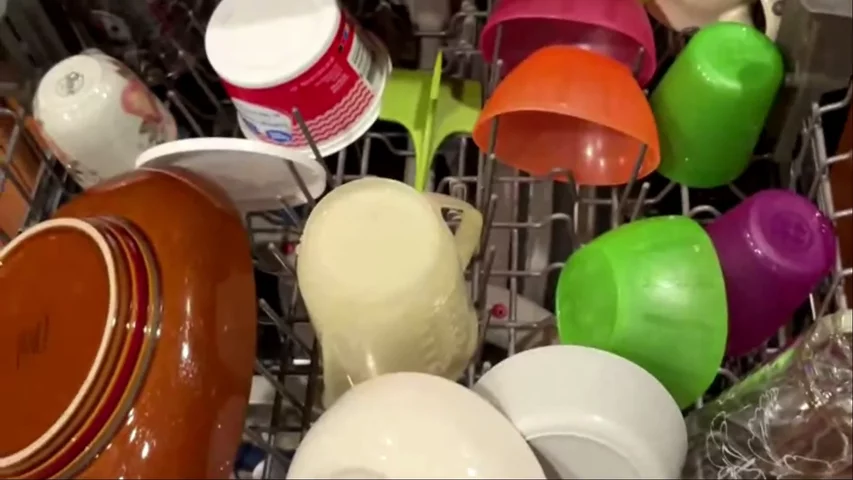
“So I already put the dishes in. I didn't realize I was supposed to put more, so I can come back and do some more later if you want me to. But, yeah, like, as you can see, these are dishes that have already been rinsed, and they're fairly clean, and that's pretty much standard at my house. I put these here on top. I wish I could put them actually, these need to be reloaded. My husband put these here, and they can't go here because if you put them here, they are so close together that the water will not get between these, and they will not get clean. So, actually, I have to reload this, but, I have to do this pretty much every time I load the dishwasher because even though my husband's 54 and he can rebuild a computer for you, the man cannot figure out how to properly load the dishwasher so that the dishes actually get clean. So, yeah, so I have to reload all of this every time. But anyway, and and this is even though I rinse them and stuff occasionally. They have a little something on them. We'll see later if that actually comes off because, again, as I mentioned, this and every other dishwasher I've ever used, people say don't rinse beforehand, but nothing ever comes clean unless you do.”

“So some dishwasher rules I have is that more delicate fragile items go on the top, such as Tupperware, espresso mugs. Those go on the very top load, anything that with more plastic than we're concerned about. Things on the lower load are the silverware and larger bowls and plates. They always go there. And then on the outside of my dishwasher, have this sign that says dirty or clean. So I always make it a thing with my husband to indicate which, I guess, status it is in to always reflect, whether there are dirty dishes or if there are clean dishes.”

“Oh, sure. All the time. My husband is more picky about the dishwasher than any of us. It's and so while we all load the dishwasher, and we all are doing our part, he will go behind all of us and rearrange everything. Like, what is wrong with the way that we're doing it? He's like, it's just not the way that I would do it. And it's it's just a joke at this point that none of us will ever meet his dishwasher loading expectations.”
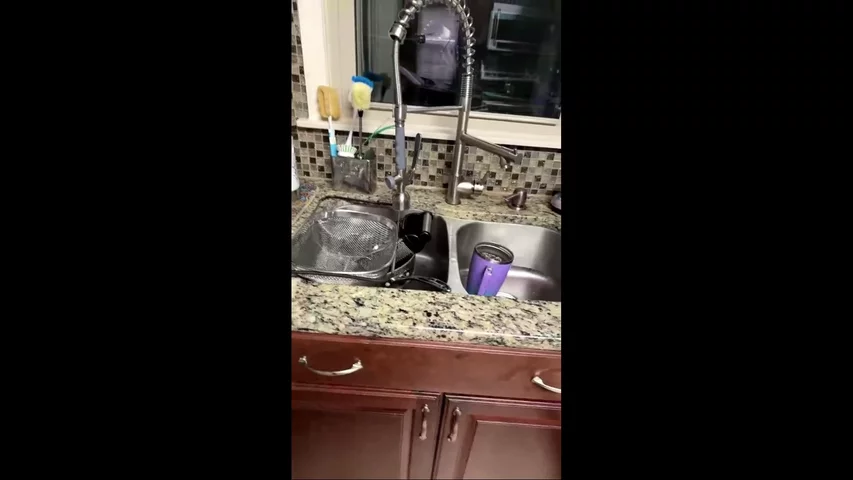
“I absolutely always prescrape and pretty much clean off before it goes in the dishwasher. And if I see somebody else's put dishes in and haven't done that, I will take them out and do it myself. Again, I think if you're washing dishes, every day, it's okay to put stuff in, not prescraped. But to me, once it gets really dried on, it doesn't always come off in the dishwasher.”

“Plastic never goes on the bottom because that's where the heating element is. We have, like, a a thing with our electric company where we can only do, like we we can do and use energy whenever we want, but we get charged more for certain hours of the day. So, like, we only run the dishwasher during off peak times. And then really, that's it. I guess knives go facing down in the utensil area. I like putting forks with forks in the utensil section and then spoons with spoons and so on.”

“Typically, we run the dishwasher later in the evening especially after we've had dinner. Usually, we'll run it right before we go to bed. My husband's theory is then it won't cost us as much in water and electricity because it's late, but also it can get a little noisy, it's not too bad, but if we're down here watching TV in the living room, we do have kind of an open floor plan so it is a little loud and we have to end up turning the television up a little bit louder. For this situation, I'm doing it a little bit earlier obviously for the survey.”
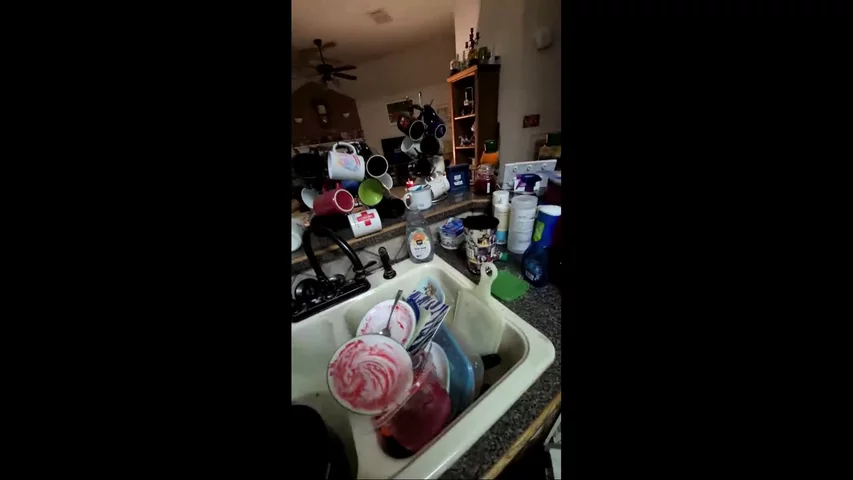
“Well, I like to have clean dishes when I wake up Monday morning. It allows me to kind of not take any dirty dishes from the weekend into the work week. It's also an opportunity to run the dishwasher at a quieter time when there's not really a whole lot of other ambient noises. My dogs who are over here in this crate by me, they don't mind so much the noise from the dishwasher. Also, it's cheaper to run the dishwasher late in the evening. There's Less of a utility load that's being pulled right now.”

“That's more me, my personal rule. I tell everyone to do it and I really try to enforce it but I'm like my wife. My wife's an adult as well. She rinses as she wants and she puts in. I would admit that the stuff that goes in that she puts in are a lot more dirty than what I do but I also think I'm a little over-the-top with it as well.”

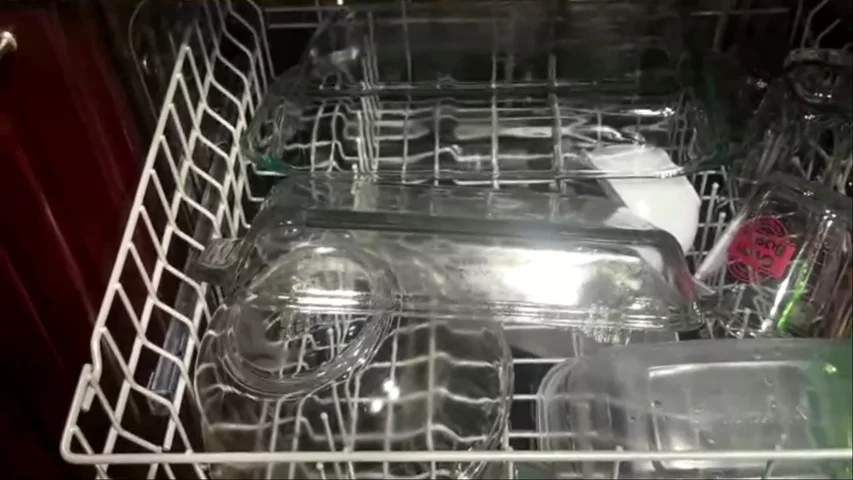

“I would say this is kind of the funny thing like my husband usually will run it at night before we go upstairs to go to bed. He'll set a reminder to do it typically at like 9 45 or so and the reminder will go off and there has been occasion where at 10 o'clock we head upstairs and even though the reminder reminded us we still forgot to get up and turn the dishwasher on.”
“I mean, I think one thing that is a little bit surprising is that we do expect our kids to rinse off their own dishes and put them in the dishwasher rather than, you know, leaving them in the sink. I remember very early on, you know, when my oldest daughter, who's now 14, was probably seven, six or seven, and I we had friends over. I said, okay, Victoria. You know, dinner's done. And she went over to the sink, rinsed it off, and put it in the dishwasher, you know, where she's supposed to. And everyone was like, what? What how do I get my kid to do that? It's just something that people notice, that, you know, we just don't leave it in the sink to be taken care of later. We take care of it right then.”

“My kids will help clear the table and do those types of things while I'm loading the dishwasher. Also, sometimes they just don't use the space well, and so they don't fit in as much. So that's why I kind of always, I'm either doing it or I'm checking what they're doing to make sure it's gonna be efficient.”




“Generally, if we're out of silverware, that's the queue that's, it's time. So there's three of us in our household, and our our set of silverware is eight big forks, eight little forks, big spoons, little spoons, just like that. And when we're out of forks, that's when it's time to run the dishwasher.”