Loading and Placement Are Seen as the Biggest Lever for Results
Facets
These facets are broadly related to the theme.
Loading / organization assessmentClassified by AI
Participant's comment on how the load was arranged (over/underloaded, items blocking spray, unsuitable items) observed while unloading.
Observed cleaning outcomeClassified by AI
What the participant notices about cleanliness/performance (residue, spots, remaining soil, cloudy glass, detergent issues) during unloading.
Unexpected findings or surprisesClassified by AI
Any unexpected observations (missing items, standing water, odors, foreign objects) encountered during the first visual scan and unloading.
Follow-up reason / improvement / disappointment categoryClassified by AI
Captures the participant's brief reason for why the load was better/about as expected/worse (or what would have improved it) — used to group follow-up responses into actionable categories (e.g., cleaning, drying, time, damage).
Perceived cause of the issueClassified by AI
What the participant thinks caused the cleaning/drying problem (their attribution: program, loading, detergent, item type, water, machine, etc.).
Post-wash remediation actions requiredClassified by AI
Which concrete fixes the participant says they need to do after this run (e.g., re-wash, hand-scrub, hand-dry, re-arrange, discard).
Participant explanation (free text)Classified by AI
Participant’s brief reason for choosing that factor — capture their explanation verbatim or summarized (open text) for this load.
Primary perceived factor affecting wash outcomeClassified by AI
Which single factor the participant believes had the biggest impact on how this specific load turned out (choose one).
Dishwasher household quirk categoryClassified by AI
Classifies the type of funny, surprising, or typical behavior or practice the participant reports about how their household uses the dishwasher.
Household role or conflict driving the quirkClassified by AI
Captures who in the household is responsible for or causes the described quirky behavior and whether it creates conflict or an established routine.
Quotes

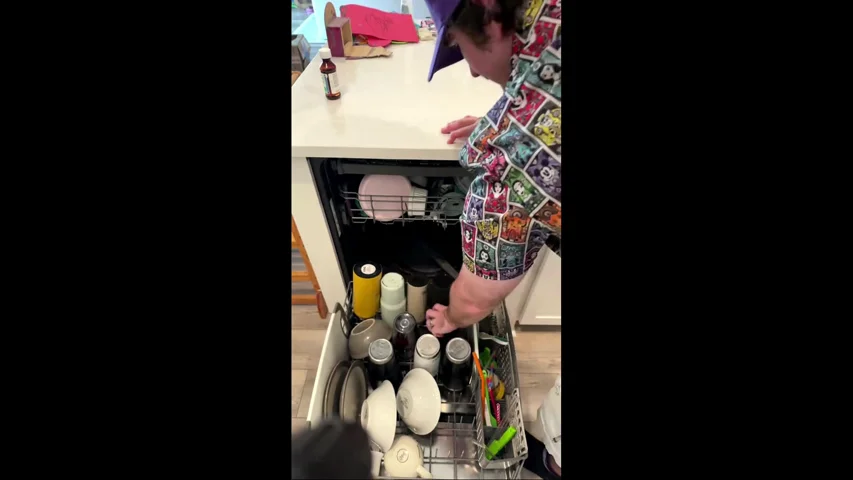
“I think it was how I loaded it. You know, I mentioned before that I tried to, especially with the top rack and the smaller bowls and plates that I used, I tried to keep, you know, all those separate. And I try to face everything the same way, so that way the water is hitting it. And I try not to, especially with the bowls, I'll show you at the bottom. I move these bowls this way. So I'm kind of wondering, now that you're asking me that question, if maybe I had put the bowl this way instead, if that would have made a difference and maybe the water and soap would have hit it better. So maybe that's why the food residue didn't come off because I did have it faced this way instead of this way. And the reason why I did that was because the plates kinda stick out right here. So I wanted to make sure that, you know, they didn't get in the way, so I placed the bowl that way. So maybe if I had turned it the opposite way, there wouldn't have been any residue left on that bowl.”

“I think a lot of them weren't dry because of the position I put the glasses in. I put them that way so I can get the most in. So I put them upright. So I usually end up I mean, that's my my doing. I don't think the cycle had anything to do with it, but it's not a great dishwasher as I've said before.”

“they can't go here because if you put them here, they are so close together that the water will not get between these, and they will not get clean. So, actually, I have to reload this, but, I have to do this pretty much every time I load the dishwasher because even though my husband's 54 and he can rebuild a computer for you, the man cannot figure out how to properly load the dishwasher so that the dishes actually get clean.”
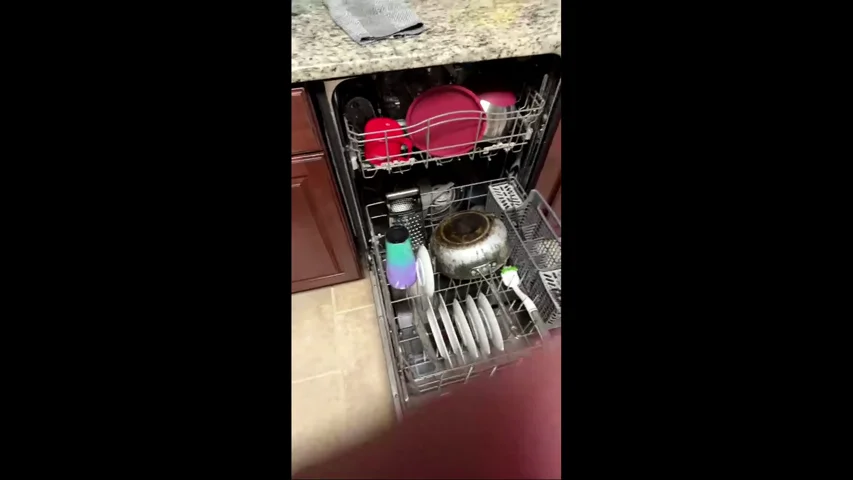
“I will rearrange to make sure, you know, everything can get hit in all sides by the dishwasher. But that's the main thing because, you know, I do I do like plates going together in bowls when I can because again, it just makes it easier when I'm emptying the dishwasher. But as long as things are put in there in a way that there's not stuff on top of things, that the water can freely get to all sides and front and back of my dishes, I'm good.”

“Not really. Up top, make sure all the things are flipped upside down. Because if not, then they'll pool, and then you're dumping water on dry dishes. So I wouldn't say. I think everything the routine, the way we have it now, we find is it cleans the most, it cleans the best, and, we kinda just stick with it.”

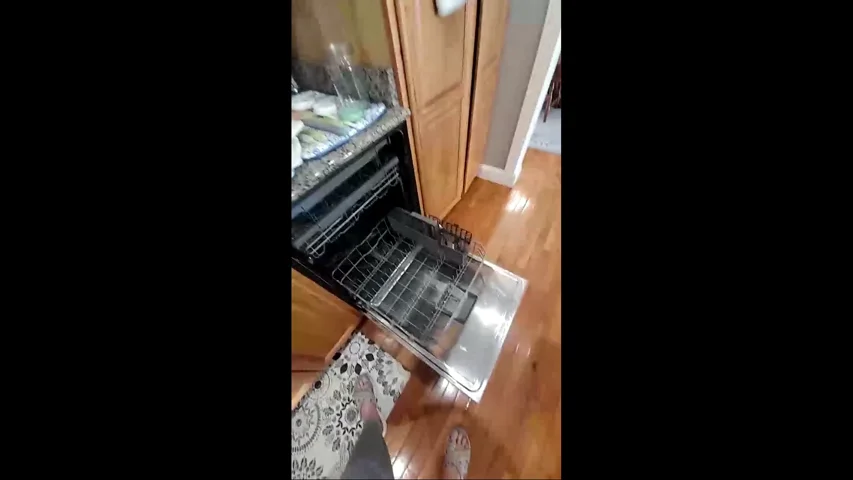
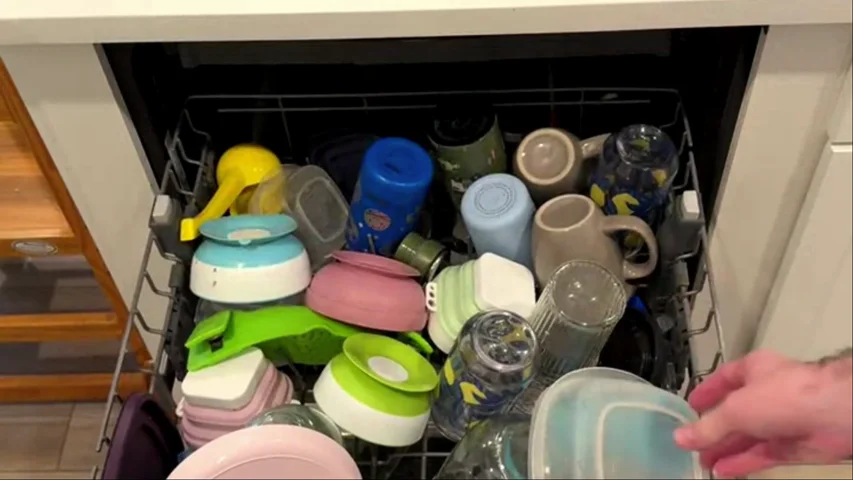
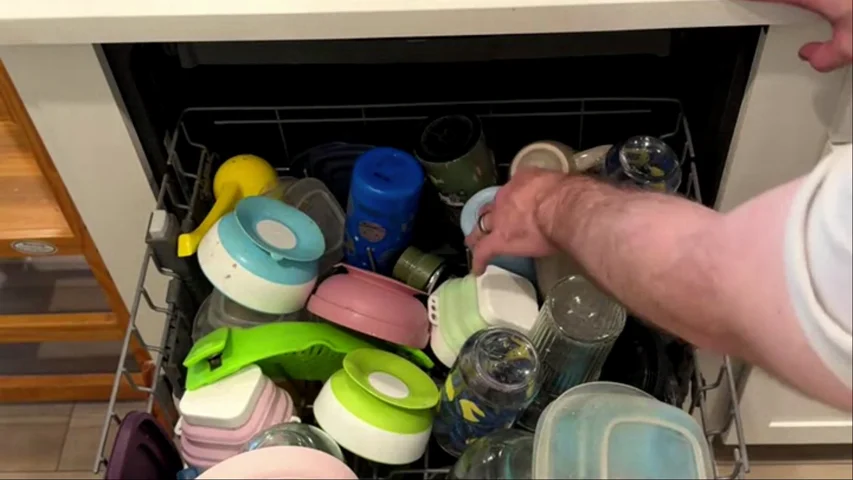
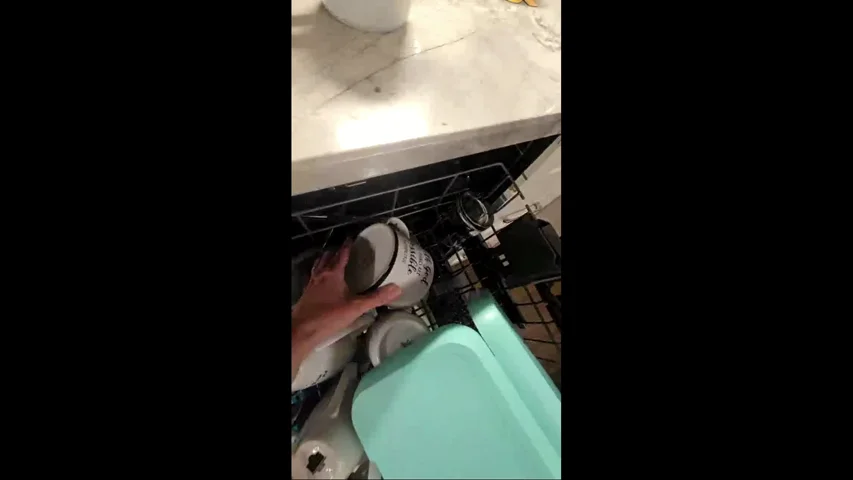
“I think it's just the geometry of the bowl and how it's facing. So the water falls off the top during the drying cycle and condenses and pools on the top of the bowls on the rims. So you could see it on the coffee cup here and you see it slightly on some of those rims. So if I would have tilted it a little more, it would probably yield a better, drying performance.”
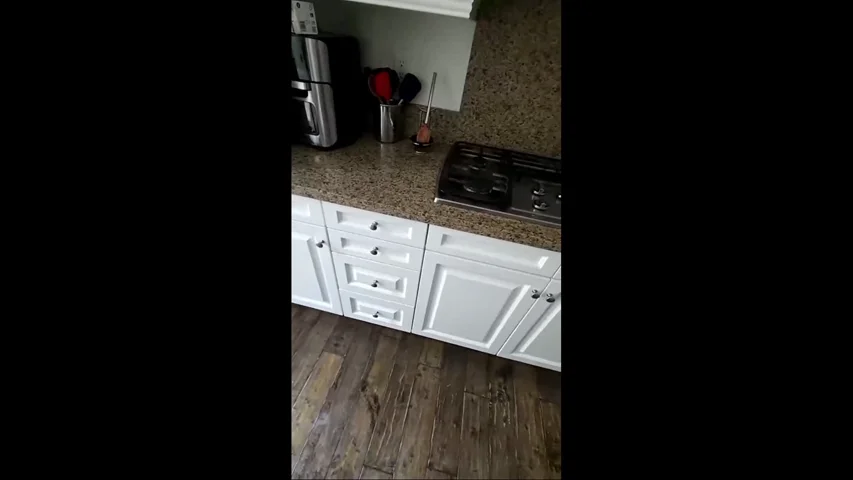
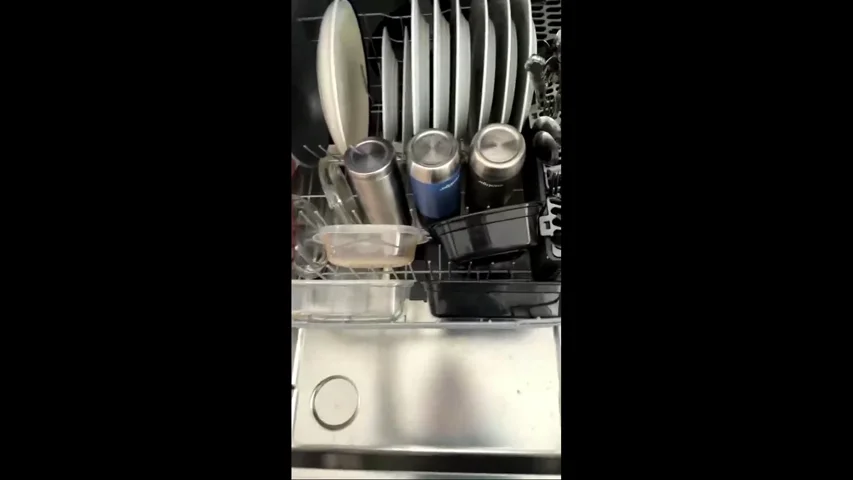
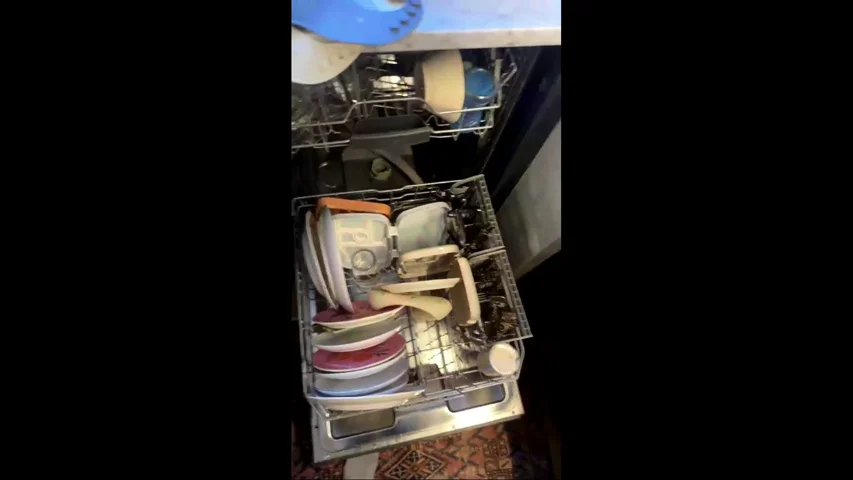
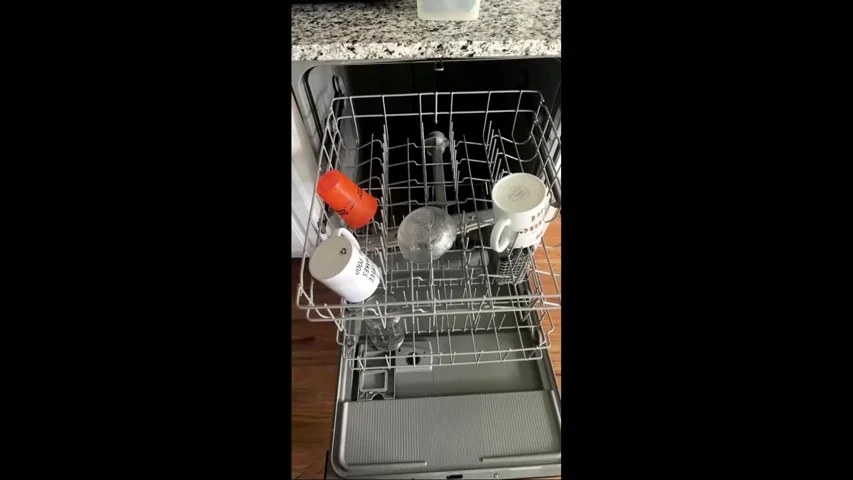

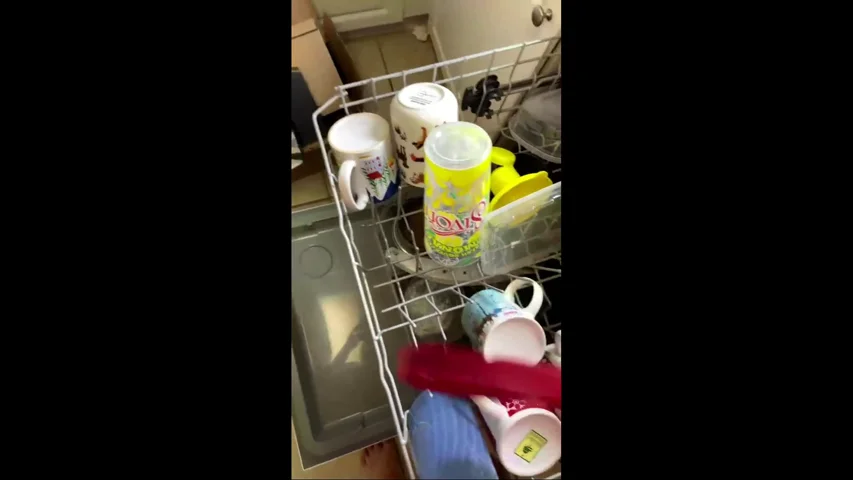
“Okay. So I'm putting the the cups and the mugs like this, making sure there's room for all of them. I don't really have any specific rules here except that, you know, I wanna make sure that there's, like, room for everything and nothing is overlapping. I wanna make sure that everything, like, has enough room to get clean, so I don't wanna overload it. And down here, same thing. I wanna make sure everything has room that it's not overloaded.”

“I think how you load it is very important. You don't want to overlap too many things. You want each item to come out as clean as possible. So loading is very, very important. We do have a pretty top of the line KitchenAid, so I'm pretty pleased with overall that machine. You know, we use it a lot, so I wanted a good one. So I think that adds to how well my dishes come out.”