Capacity Tetris and Loading Hacks Are Common to Avoid Extra Loads
Facets
These facets are broadly related to the theme.
Loading density / spacingClassified by AI
How densely the participant loads the racks (spacing between items) as observed during the pan and explained in their rationale; relates to cleaning/drying concerns and capacity priorities.
Item orientation and nestingClassified by AI
Specific orientations or nesting behaviors the participant uses (e.g., inverting glasses, tilting items, nesting) and reasons given during the rack pan.
Item-to-rack placement (per-item mapping)Classified by AI
Which rack the participant places common item types (plates, glasses, plastics, pots, bowls, etc.) in while panning across top and bottom racks — captures their item-to-rack mapping and any atypical placements.
Frequency of using this workaroundClassified by AI
How frequently the participant uses the described workaround (helps assess whether it's an ad-hoc hack or an established habit).
Uses a loading 'hack' / workaroundClassified by AI
Whether the participant is deliberately loading items in a non-standard or improvised way (e.g., cramming, bending rules, stacking creatively). This flags interviews to follow up on specifics and motivations.
Motivation for the workaroundClassified by AI
Captures what the participant is trying to achieve or avoid with the workaround (asked as a follow-up when they say yes).
Type of loading workaroundClassified by AI
Categorizes the specific mechanical or placement strategy used when the participant describes or demonstrates a workaround (capture all that apply).
Answers for the multiple choice question: "For this load, which of these are most important to you when choosing the program and settings? Select up to two."
Rationale for selected program priorities (load-specific)Classified by AI
Captures the participant’s load-specific reasons for why the chosen program/settings matter (e.g., protect delicates, ensure sanitization for baby items, speed because guests arriving). Use participant wording and link to this particular run.
Perceived dishwasher fullnessClassified by AI
Coder judgment of how full the dishwasher appears based on the participant’s live view and description (used to classify load size and whether they consider it ready to run).
Quotes

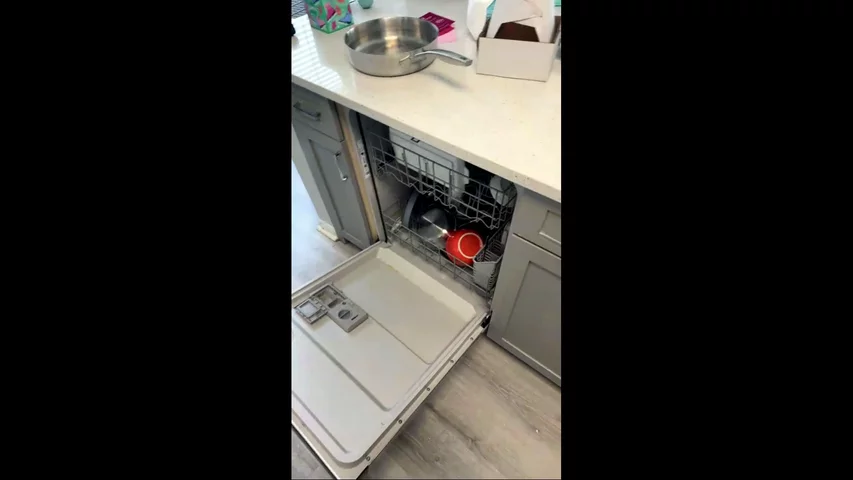
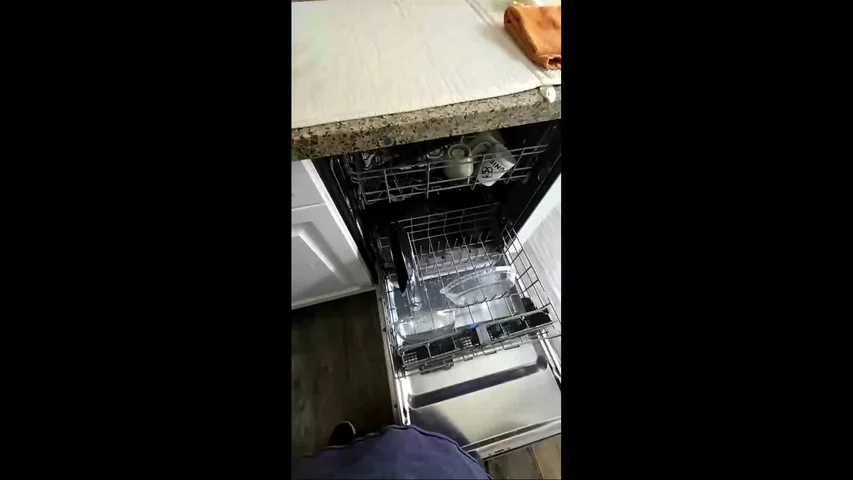
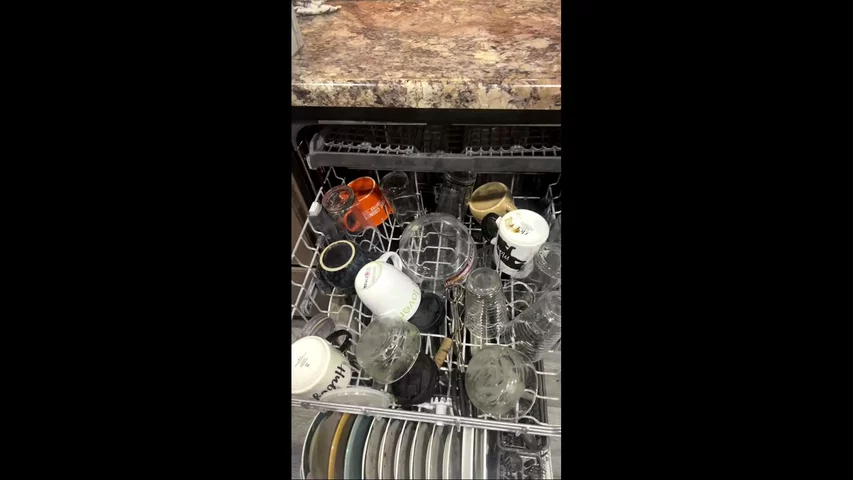
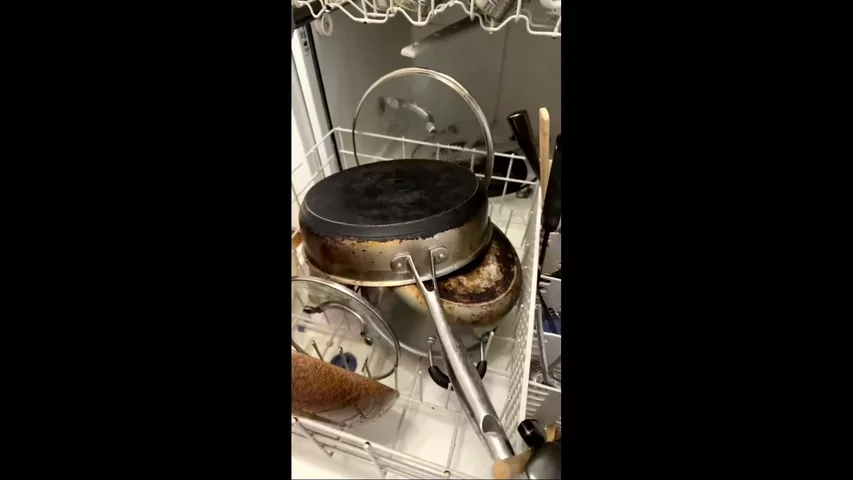
“Yes. Most definitely. This feels very much so like a hack because I've loaded the plates right here. I've loaded the spoons and and forks and everything else. But this stacking this up here, they they go to pots, the pans, and I'm loading this like this. It's very much so like a hat because it's supposed to be flat, but I wanna get everything done as it is cleared and won't load. So very much so. Yes.”
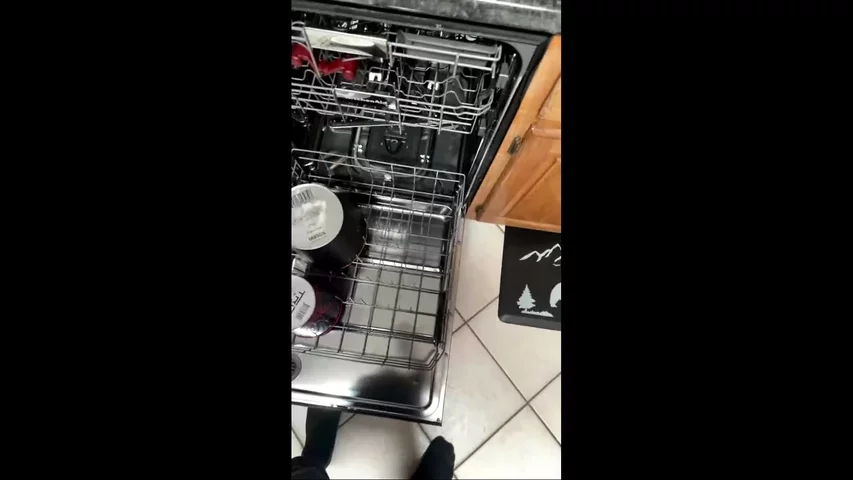
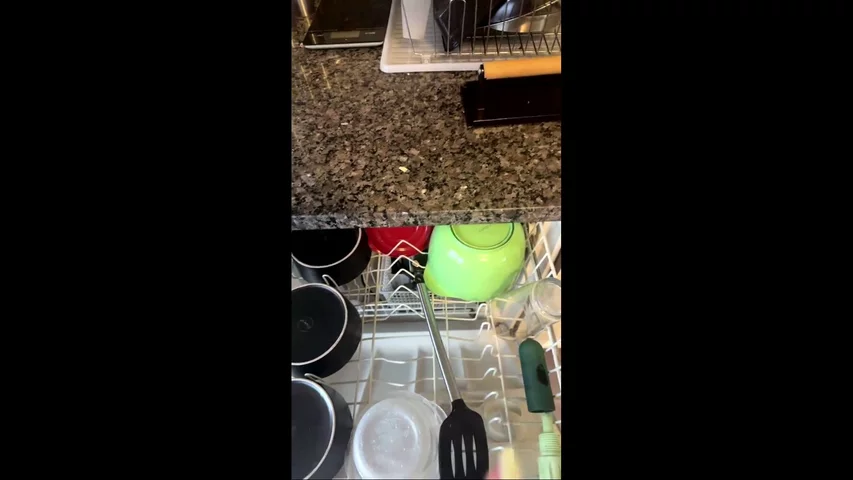
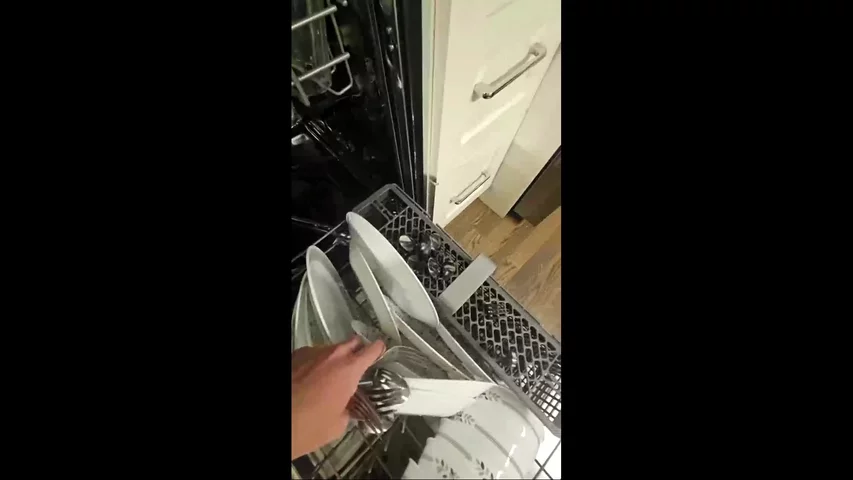

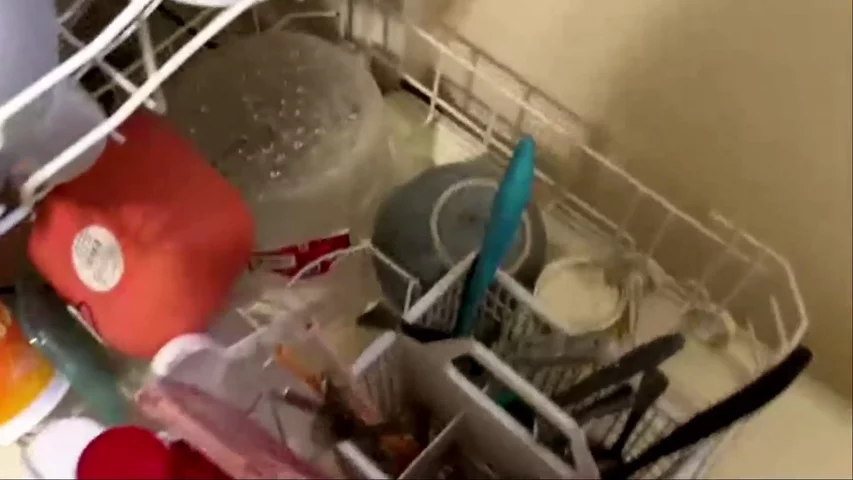
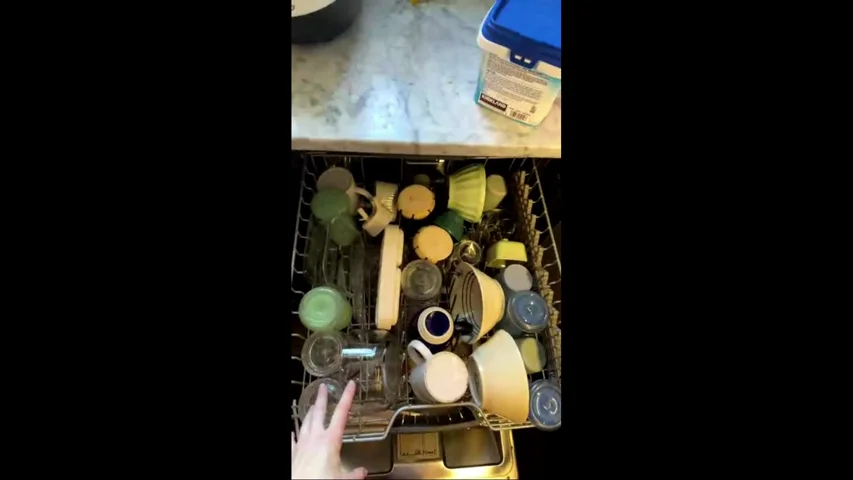
“I mean, I definitely do I can't show it in this situation, but we have some smaller bowls that do sit very nicely underneath these bulbs. So, basically, what I would do is I would put the small bowl here, set it flat, and then set the larger bowl down on top of it. So then it still washes both of the bulbs, but doesn't take up nearly as much space, if that makes any sense. And then, also, I like to put the measuring cups. I put the coping part of the handle through here just so that the jets don't, like, wash away or anything.”
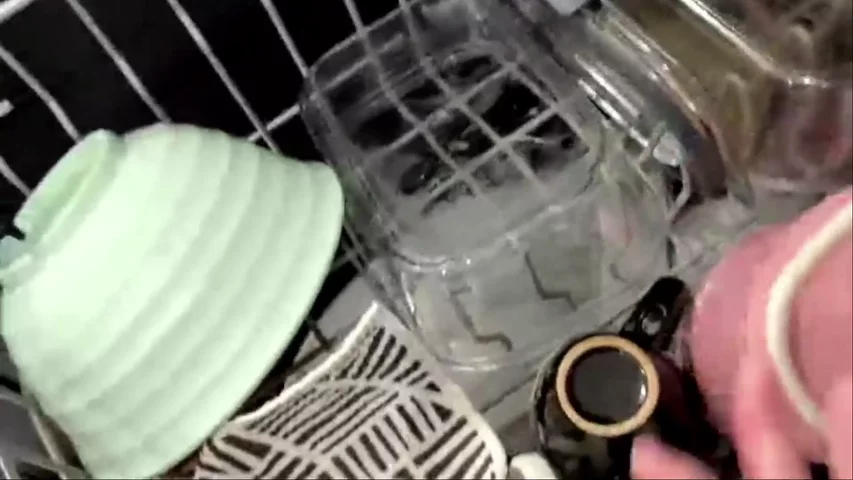
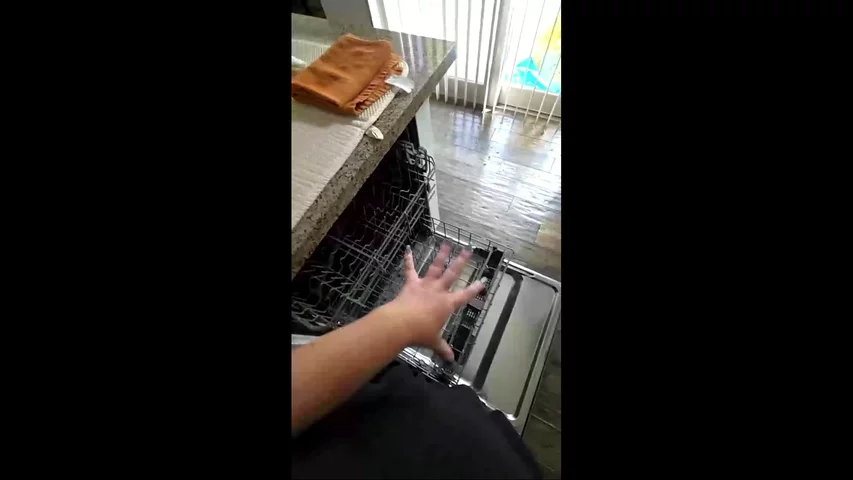
“I would say this top rack is always kind of a little hack. I find that with the Tupperware, I'm always having trouble placing the lids in appropriate way where it feels like it's being cleaned appropriately. So I kinda stash them in these individual slots here, but just the way they fall or, like, are angled, sometimes they aren't cleaned very well. I would say another hack is this Swedish dishcloth. I kind of lay it flat on this kind of kind of middle division here that is flat. But, again, I'm not totally sure it's gonna be cleaned a 100% well, but this is kind of the only solution I have for placing it there.”