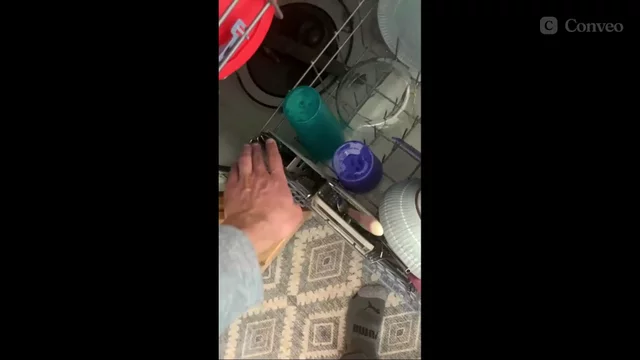
Cutlery More Often Uses Baskets; Orientation and Separation Vary, Causing Cleaning or Safety Issues
Facets
These facets are broadly related to the theme.
Cutlery placement methodClassified by AI
How the participant arranges cutlery (basket vs. tray, separated by type, mixed) as they show the cutlery area and explain their approach.
Item orientation and nestingClassified by AI
Specific orientations or nesting behaviors the participant uses (e.g., inverting glasses, tilting items, nesting) and reasons given during the rack pan.
Item-to-rack placement (per-item mapping)Classified by AI
Which rack the participant places common item types (plates, glasses, plastics, pots, bowls, etc.) in while panning across top and bottom racks — captures their item-to-rack mapping and any atypical placements.
Rack features / accessories usedClassified by AI
Any rack adjustments or built-in/extra accessories the participant uses or activates while arranging items (fold-down tines, trays, holders, rack height changes).
Quotes
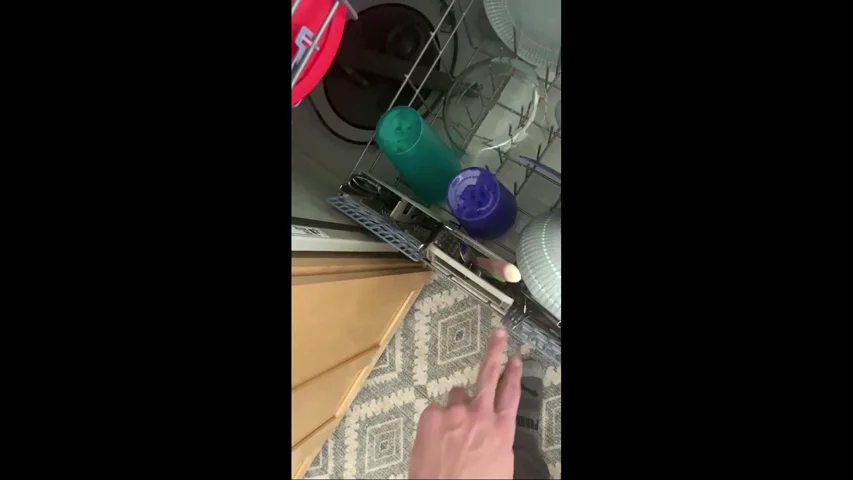
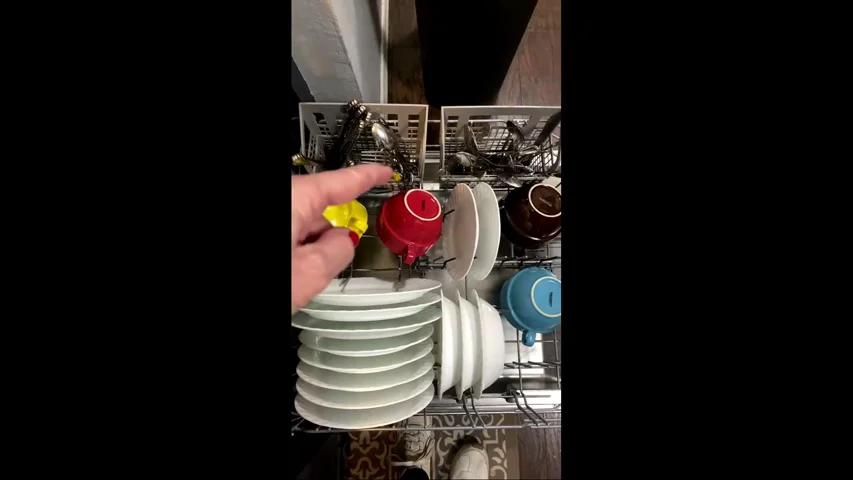

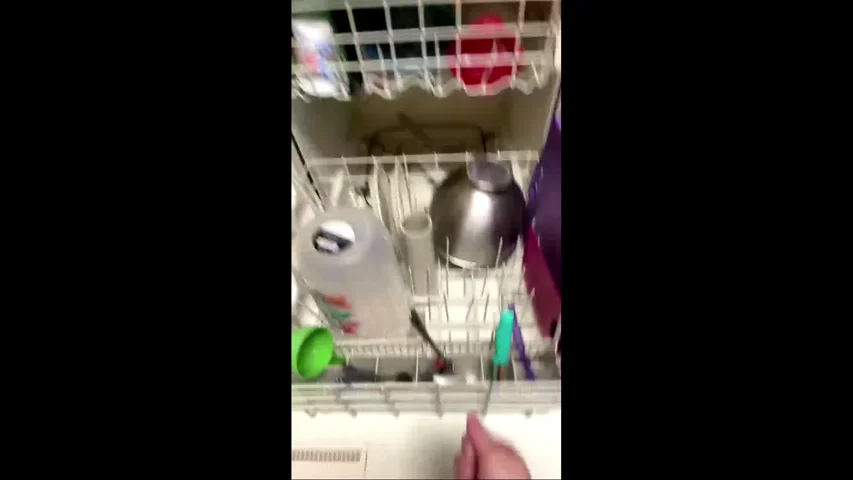
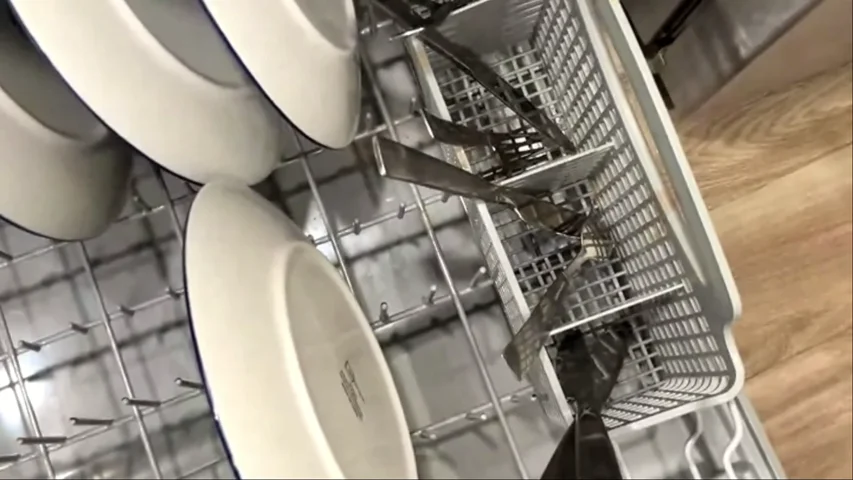
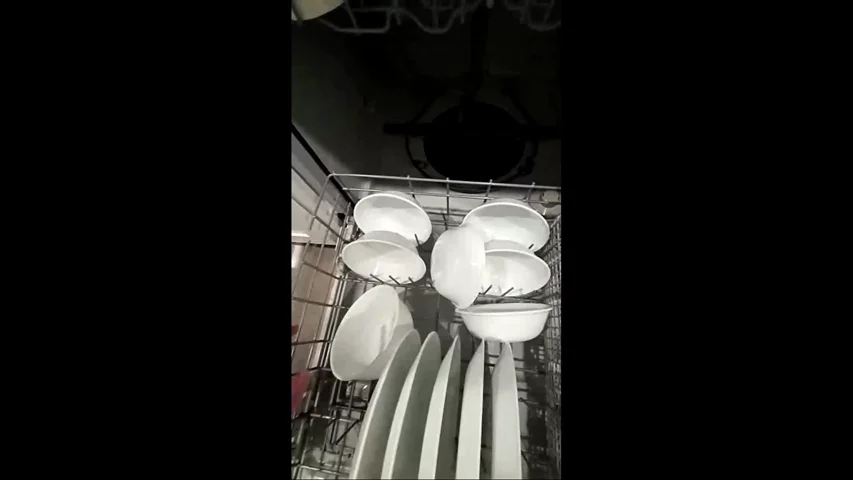
“So I put my plates all this way. I think I mentioned before, I'm left handed, so I don't know if that's why they're just all facing this way. But I do like all my plates to be facing the same way. There's really no rhyme or reason. It's just it just makes it easier when they're unloading when I'm unloading it because I can just, you know, stack them like that, and then we're good to go. And I can put them away a lot easier. And then my bowls, I like to have in the back kind of facing towards me so that the water can hit them better and the soap. And then my silverware, I like to keep facing up because I feel like that cleans it better. So I leave that facing up, and then my knives, I face down just for safety reasons. I don't wanna accidentally, you know, cut myself or, you know, accidentally stab myself on a knife while I'm unpacking it.”
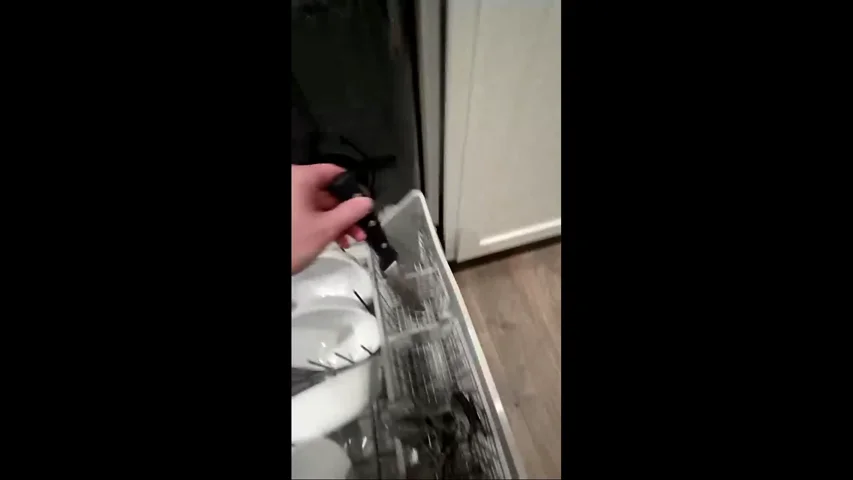

“Okay. So my rules are knives always point down. Plates stay together, bowls stay together so that you can lift them up and out when you're unloading a lot easier. We have nothing that is not dishwasher safe. We put everything in the dishwasher. I don't have the time to have things that are needing to be hand washed. So we pretty much put everything in there. Yeah.”
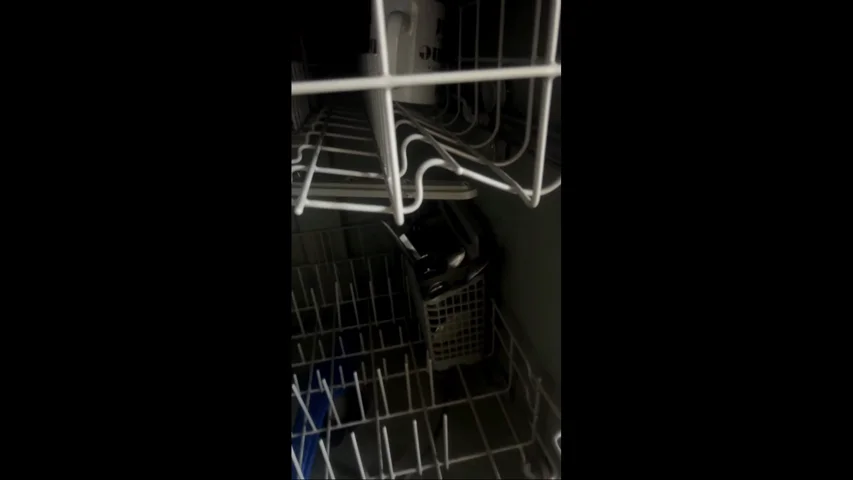
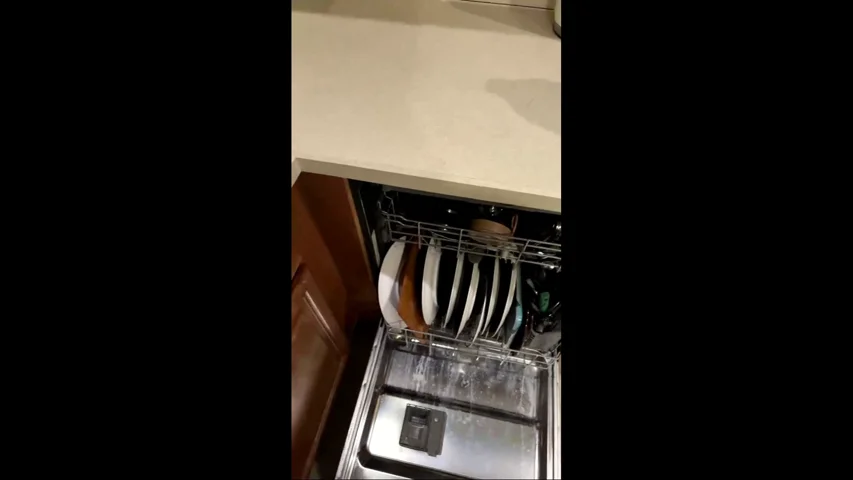


“I will say when my parents come and visit me, they pretty much pack it the same way as I do. I have noticed where they sometimes don't put the silverware facing up. So sometimes I have to fix that because that's just a thing of mine. I just find that if they're not facing up, they just don't get as clean. I don't know if that's true or not, but I think I found that on Google that you're supposed to put your silverware facing upward. And then a lot of times too, they kind of just throw the mugs and the glassware just kind of anywhere. I don't know if I'm just like OCD or if it's just me, but usually what I do is I have my glasses and mugs. I think I showed it earlier, but I have it on one side, and then in the middle, put, like, my smaller bowls in plates. So they don't really do that. They'll kind of put, like, a random mug in the middle of the rack, and I just find that kind of odd where I kinda do it on the side, and I kinda stack it, like, in order. So I'll kinda show you. So if I pull out the front rack, I always put, you know, a mug, glass. But what I do is I fill it from, like, here, and then I start another row over here before I put anything else. And maybe that's just me, but that's just how I like to run or not run, but how I like to load the dishwasher.”
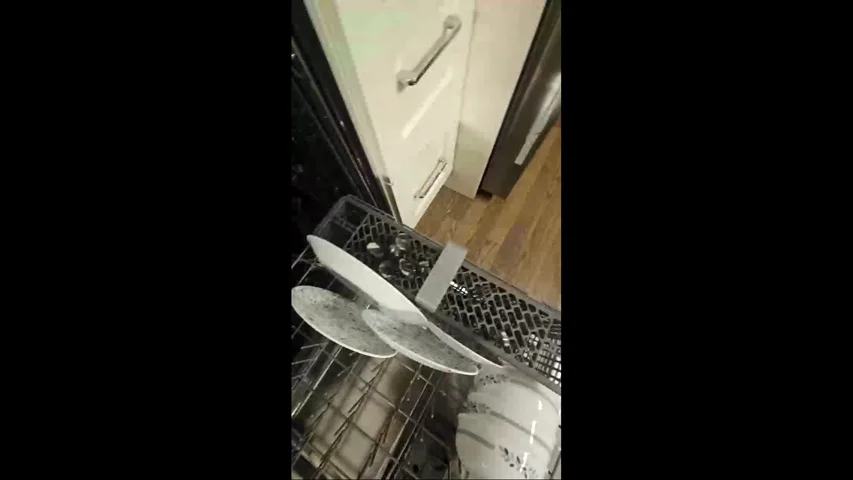

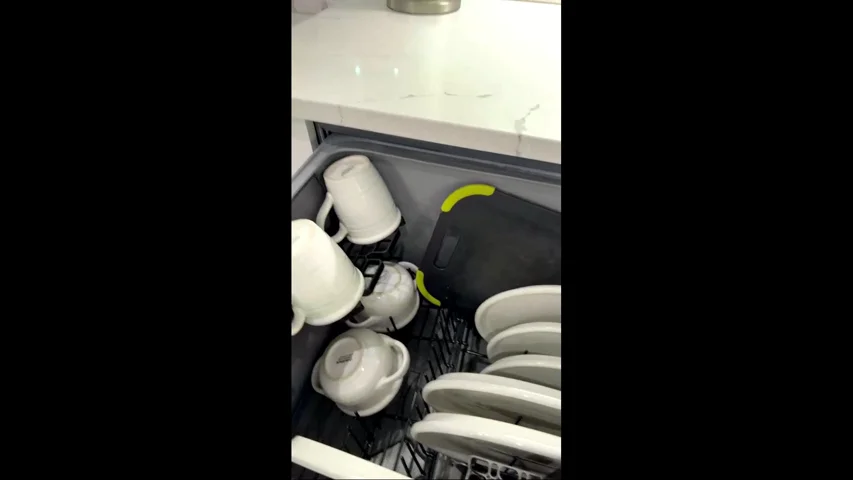
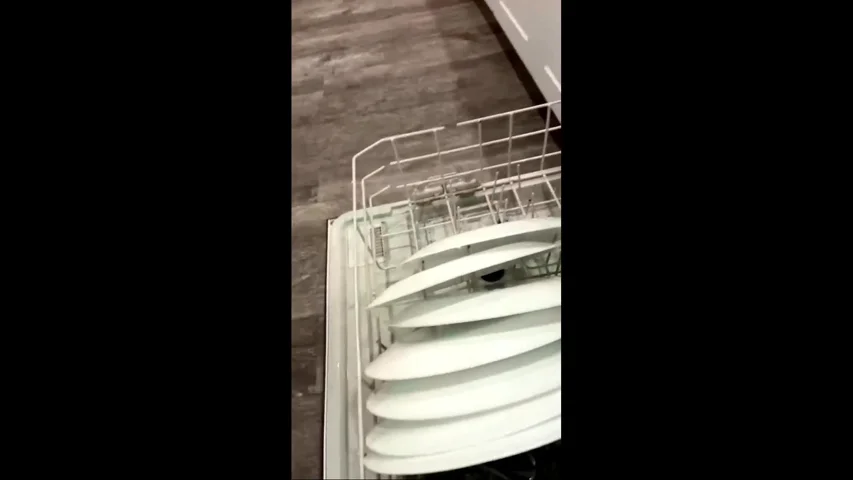
“So we always pre rinse all of our dishes. One of the rules that we have, regarding our dishes is on this bottom row, all of the plates have to be facing this way. We try not to put all of the silverware, you know, in these front two where it's easy to just kinda throw some in. We spread it out. And we always try to, you know, have them not, you know, exactly touching like this because it's not going to get rinsed very well. And especially up here with the bowls, we don't put them, you know, exactly in the rung right next to right next to each other. We'd skip one to make sure that all the inside parts of the bowl are clean.”
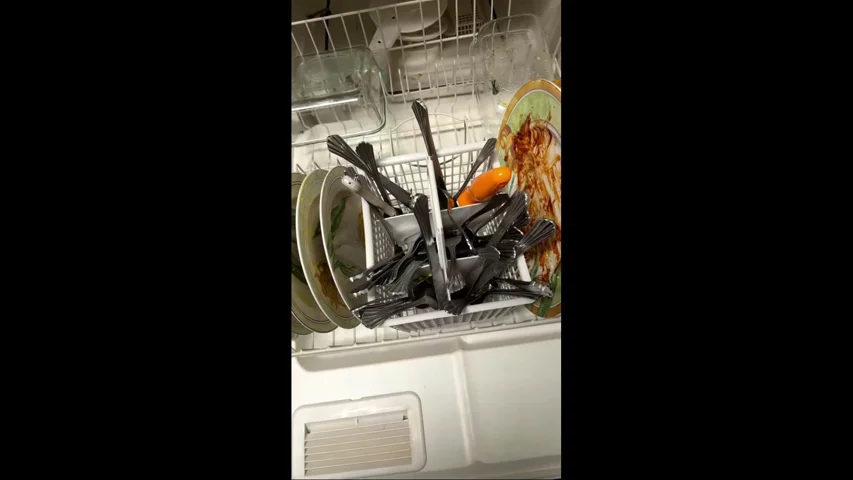
“I would just say, you know, stacking the plates. No, actually, I would say utensils are the most important because if you're having all the same utensils of the same kind, they're not going to get cleaned. So that's why that's most important. You have to make sure that all the knives and the forks and the spoons are not in the same spot, that they should be spread out.”
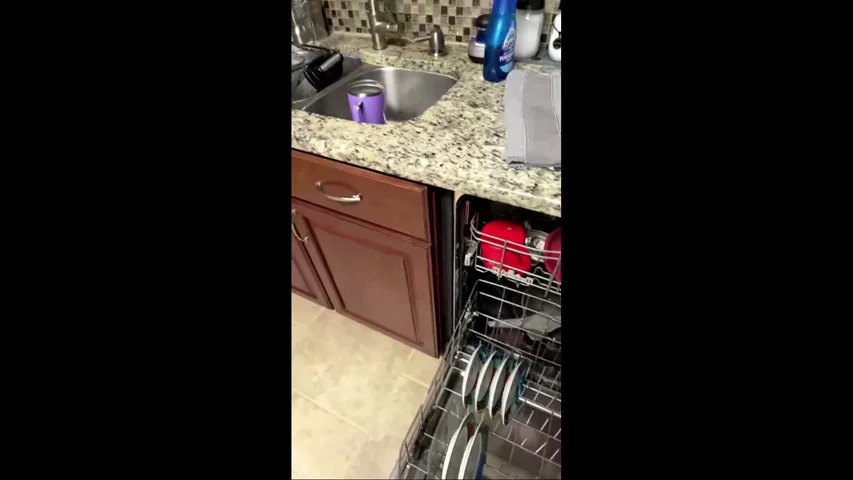
“That question cracks me up. So one of my one of my rules, which, again, isn't always followed, and I will come when I'm putting something in and redo it, is with the silverware tray. I like to separate my silverware. I like to put the spoons here, forks here, knives, and everything else go here. Typically, if I have it like a spatula or something, it it'll be too tall for my my utensil rack, so I'll put it flat in here. So mainly, everybody follows it. There are times that they don't, but when they don't, I am always there to correct it because I'm the only one that actually runs and empties the dishes.”