Households Enforce Strict Item Rules; Plastics Go on the Top Rack
Facets
These facets are broadly related to the theme.
Special handling or mitigation actions plannedClassified by AI
Any special steps the participant says they will take for that item (placement, cycle choice, handwashing, additives, etc.).
Most important dishwasher rule (priority)Classified by AI
Which single dishwasher rule the participant considers most important for this household and why it matters.
Reason/priority for that ruleClassified by AI
The participant’s stated rationale for why the most important rule matters (e.g., cleanliness, safety, time, household harmony).
Rule strictness / enforcement levelClassified by AI
How strictly the household enforces dishwasher rules (used to gauge flexibility vs. rigidity).
Who is allowed to load/unloadClassified by AI
Identifies household norms about which people are permitted or expected to load or unload the dishwasher.
Household dishwasher rule typesClassified by AI
Captures the kinds of official or informal rules households have about loading, items allowed, and how to run the machine.
Quotes


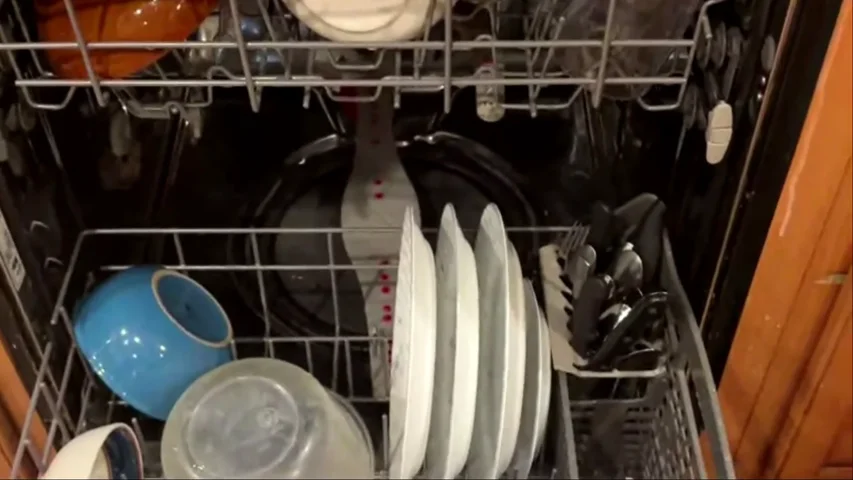
“My kids are still learning how to load the dishwasher because I am pretty particular about it. I need all the plates facing a certain way, the silverware is pointing down, certain plastic items can't go on the bottom, they're on the top. Like I said, the knives never go in, wood never goes in. So those are our rules.”

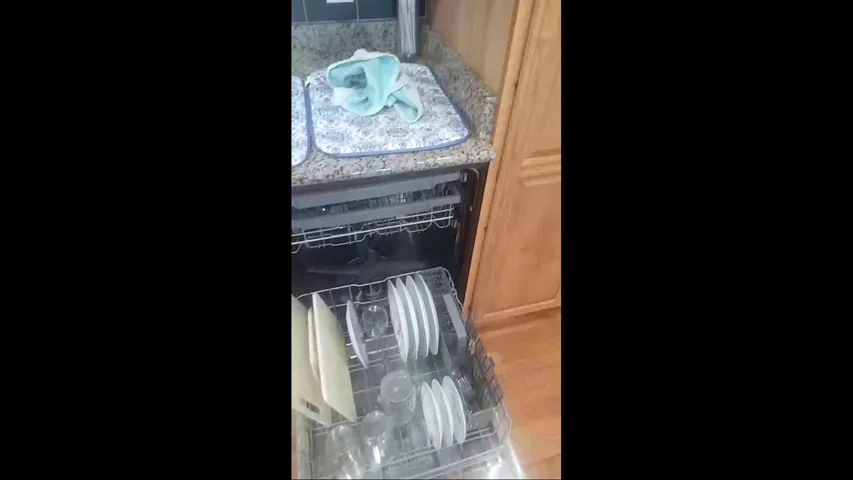
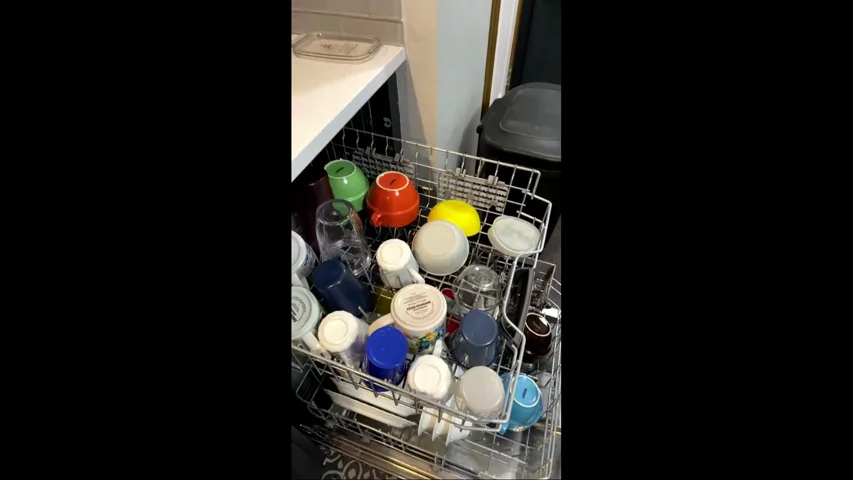
“Two of them mattered the most keeping the bowls over there and underneath because otherwise if somebody puts the bowls in this area then we don't have enough room for the cups but also my knives they just last longer when I don't put them in the dishwasher. I also never put any wooden spoons in the dishwasher either those are always hand washed.”
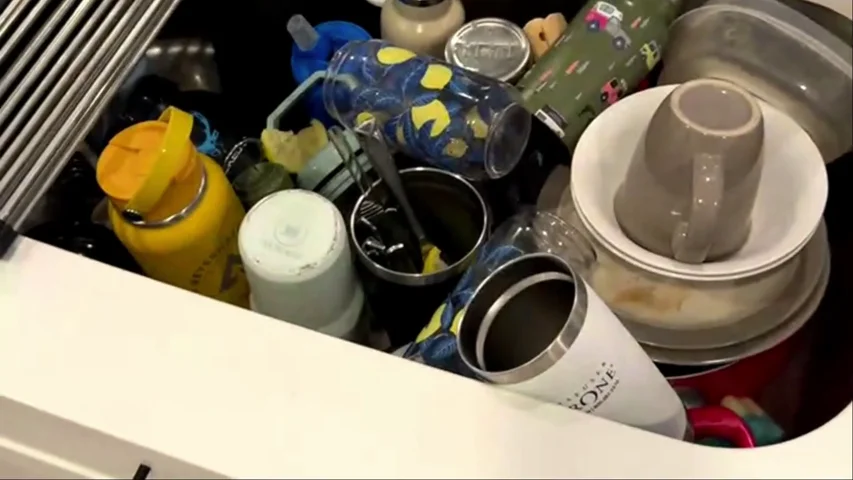
“Definitely the one of don't put something that doesn't say dishwasher safe on there in the dishwasher because there have been plenty of times where I have unintentionally put things that aren't dishwasher safe in the dishwasher, and they've come out ruined. And I've lost a couple really nice service tumblers that way. I don't really like doing that. I'm sure you can understand.”
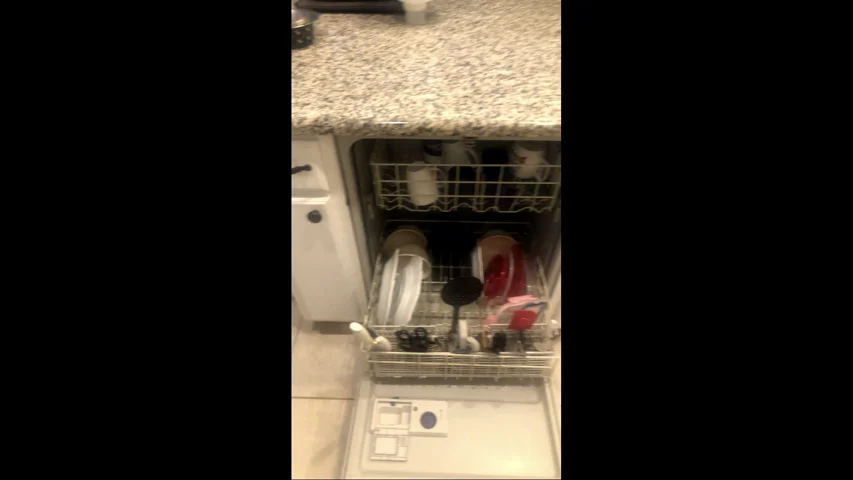
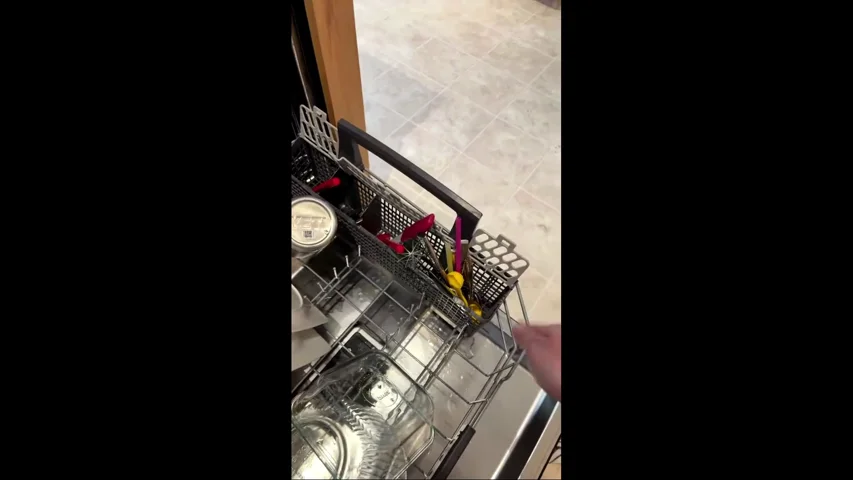
“How to load is how we do it here. Right? So, like, all the cups are on the top, especially the plastic ones because they'll melt on the bottom sometimes. The other thing is we don't put wood in. So you saw these wood chopsticks on the counter earlier. And then I'm not super picky about the silverware up or down. So however anybody puts them in is fine. My son unloads it sometimes, and he prefers everything to be organized, like, the spoons in one, forks, knives, but I don't care, so I don't do that. And then the other big thing is that we have this on the outside. So right now it says dirty, but after I put the soap in and start it, I'll slide it over to clean so that anyone who comes by knows that it's clean and it needs to be emptied. Or if it says dirty and you just get done eating, you know you can rinse it off, put it straight in the dishwasher.”
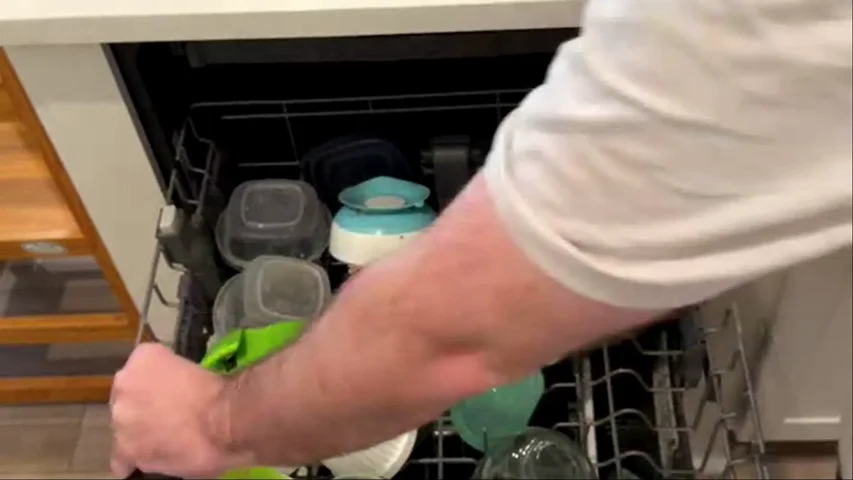
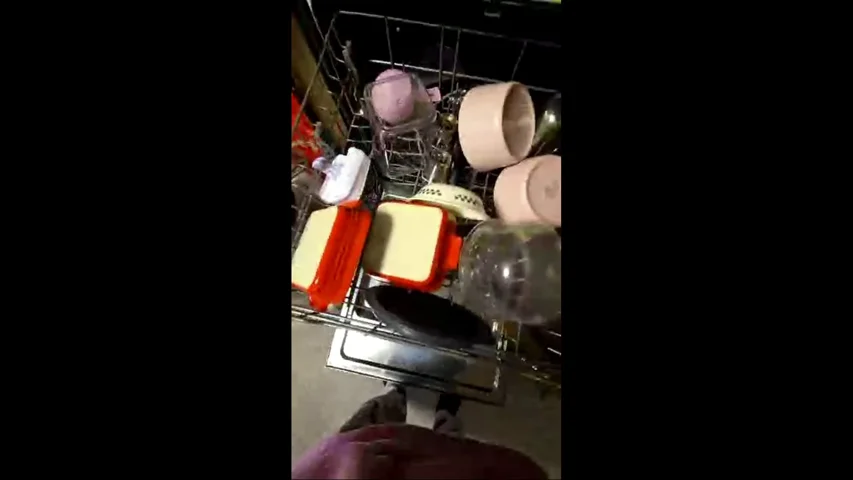

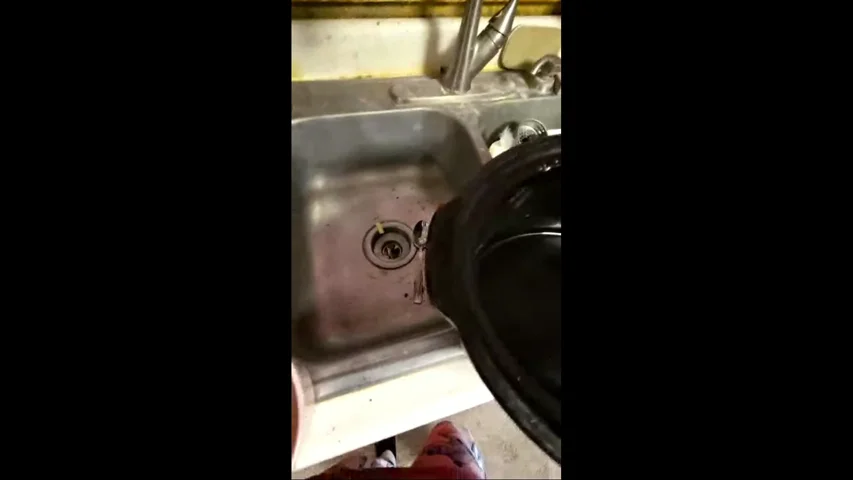
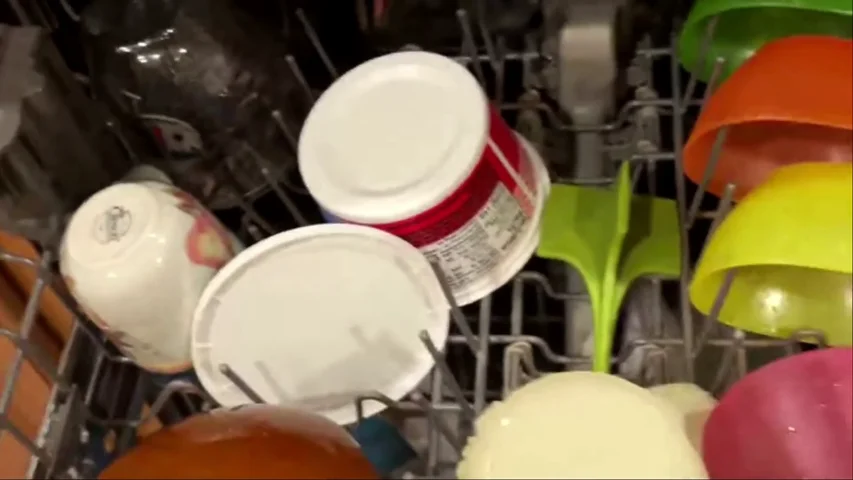
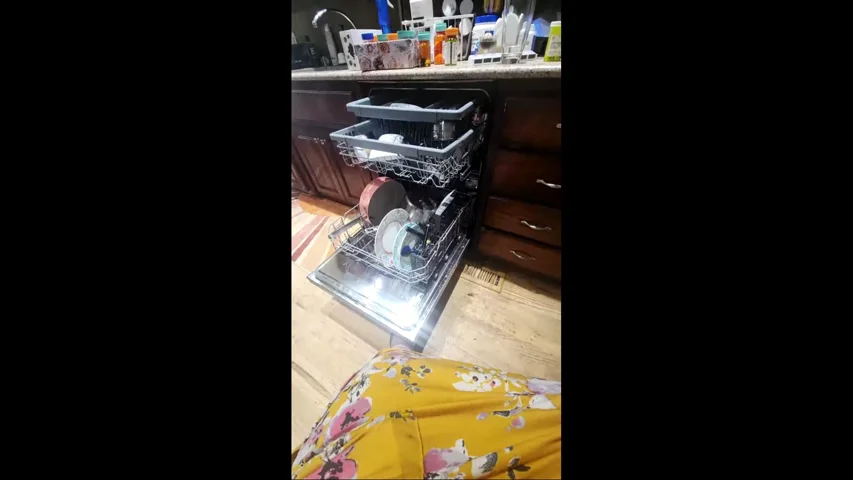

“So I think a few of our rules are, really, it's how to load as bowls on top unless they're big bowls, and then those go on the bottom. Plates, they always go on the bottom. And one thing that we don't do is we don't put our, our cookware into the dishwasher. So we have some really nice hex clads that we just bought a few years ago, and we're trying to keep them nice. So that's one thing that we just do not put in the dishwasher. We must hand wash it.”