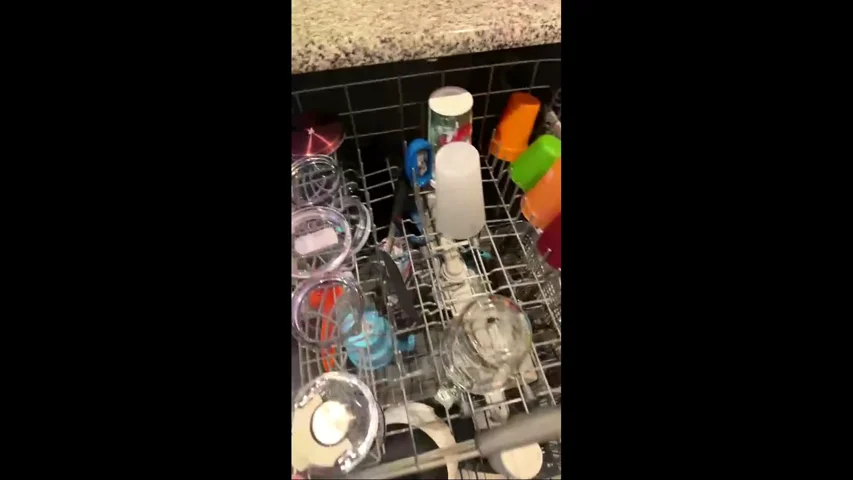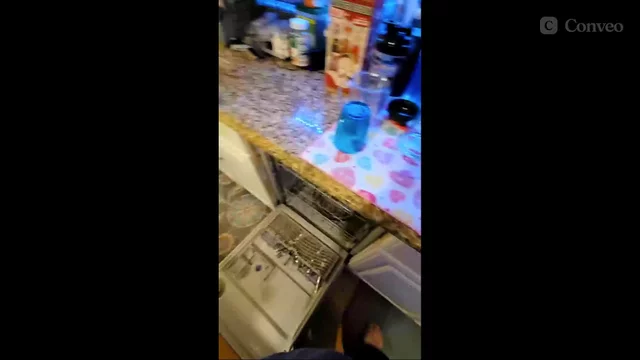
Plastics and Concave Items Emerge Wet, Driving Routine Hand-Drying
Facets
These facets are broadly related to the theme.
Observed cleaning outcomeClassified by AI
What the participant notices about cleanliness/performance (residue, spots, remaining soil, cloudy glass, detergent issues) during unloading.
Unexpected findings or surprisesClassified by AI
Any unexpected observations (missing items, standing water, odors, foreign objects) encountered during the first visual scan and unloading.
Follow-up reason / improvement / disappointment categoryClassified by AI
Captures the participant's brief reason for why the load was better/about as expected/worse (or what would have improved it) — used to group follow-up responses into actionable categories (e.g., cleaning, drying, time, damage).
Answers for the multiple choice question: "Now thinking about DRYING (water droplets, plastics, glasses, cutlery), how do you feel about how dry the items came out in this load?"
Drying compared to expected/usualClassified by AI
Interviewer follow-up question: whether the drying outcome was better, the same, or worse than the participant’s usual/expected results for drying (asked while participant shows items).
Item types shown for drying evaluationClassified by AI
Which categories of items the participant showed on camera for the drying assessment (e.g., plastics, glasses, cutlery) — used to contextualize the drying judgment.
Remediation severity / extentClassified by AI
How extensive the required post-wash fixes are, indicating impact on effort and workflow.
Item types needing remediationClassified by AI
Specific categories of items the participant shows or names as needing rework after the wash (useful for linking failure patterns to item classes).
Perceived cause of the issueClassified by AI
What the participant thinks caused the cleaning/drying problem (their attribution: program, loading, detergent, item type, water, machine, etc.).
Post-wash remediation actions requiredClassified by AI
Which concrete fixes the participant says they need to do after this run (e.g., re-wash, hand-scrub, hand-dry, re-arrange, discard).
Participant explanation (free text)Classified by AI
Participant’s brief reason for choosing that factor — capture their explanation verbatim or summarized (open text) for this load.
Primary perceived factor affecting wash outcomeClassified by AI
Which single factor the participant believes had the biggest impact on how this specific load turned out (choose one).
Quotes
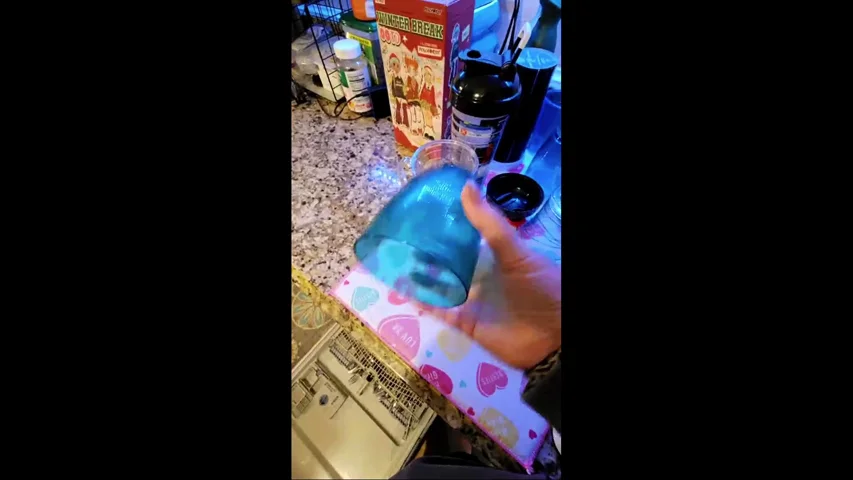
“Well, when I took out the cup, because it has this lip here, there was just a pool of water. And I showed you earlier that it just kind of spilled onto my drying mat. There, makes it a little wet. It still is kind of wet inside. There's a bit of a, some water droplets in there. So that's typically something that we see when we wash cups or something that has like a little rim, Where the water can be captured, it's not completely dried off and typically we just have to either hand dry it or I just set it out to dry like this on the drying mat.”
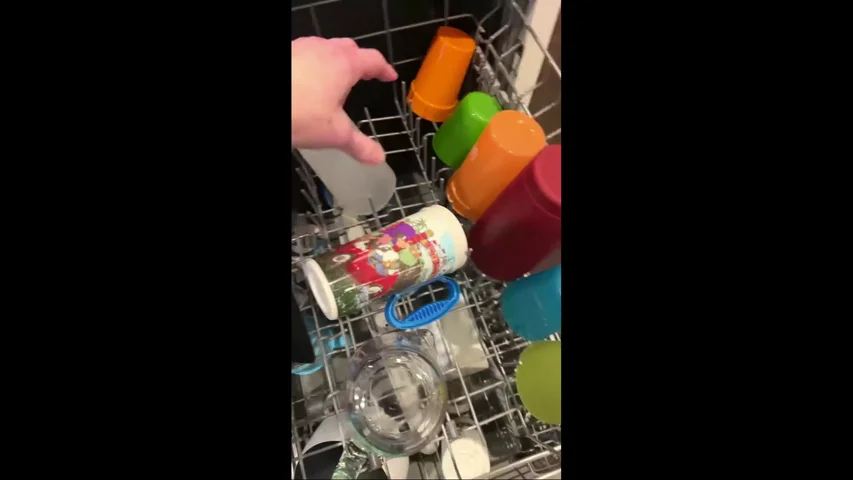
“So like I said, I had to flip over the lids because water collects. Also, I have certain cups like this one that the water gets stuck in the lid and on the bottom, so I always, like, shake shake it out, flip it over. Some water gets stuck on the bottom of the cup, so I typically shake them out when I open up the door, and I let it dry for a little bit longer. So that it's completely dry by the time I put it away.”
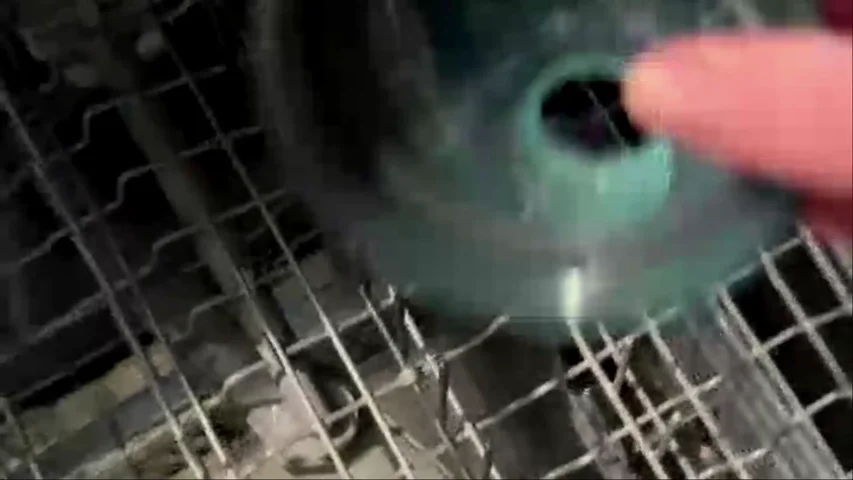
“I think the lid when I had it in the dishwasher I kind of had it open like this just to make sure that it had the ability to get all clean but it has a bunch of lips on the side that would have caught water and maybe kept it in there as you can still see there's some water in there so I'm thinking it most likely was these lips that could have left that water still inside.”
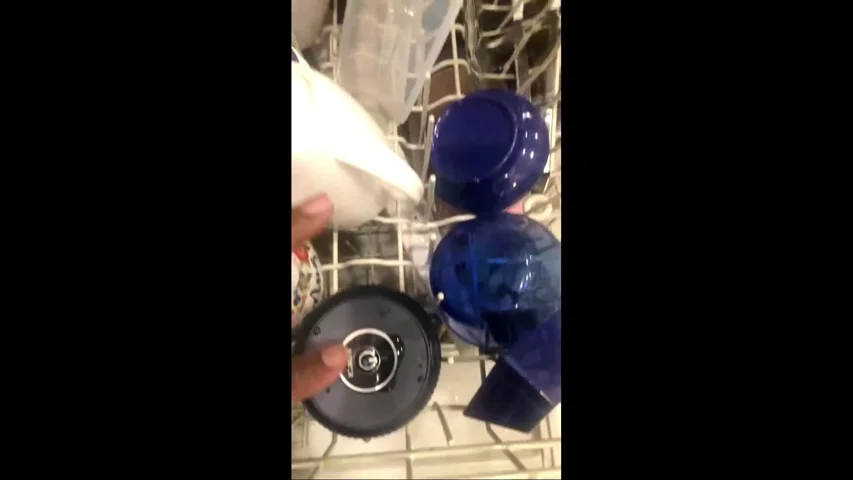
“So where I typically notice it first is if there's a little dip in a cup, like, say, for instance, this plastic cup, you can see there's a little indention there. And guess what? So there's some water that's there. Inside this glass, there's water from a little indention, and you can see this one. You can see the water there. It's like a little indention. So that's where I see it. Where I don't see it is like things that are on the side, things that are properly, turned the way it should be inside those. So it's mainly if it's the little cup that has, like, some little indentions.”
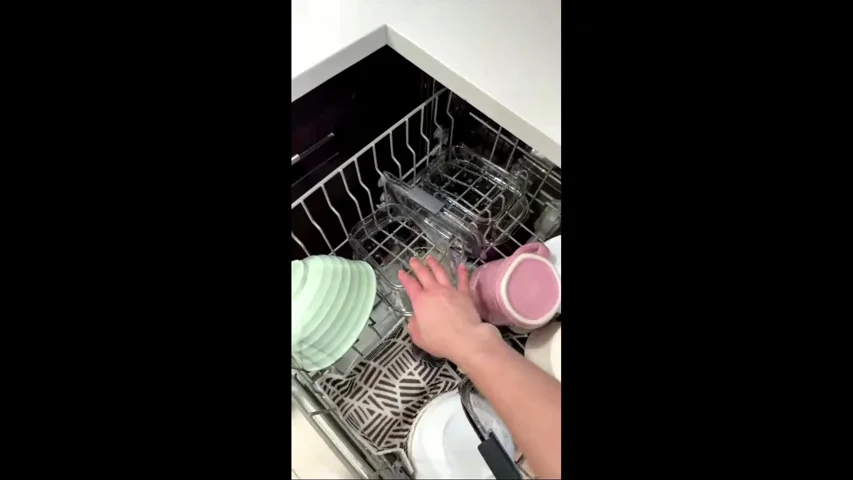
“So for it to be better than expected, I would say there wouldn't be any like extra water on top of the Tupperware, any extra pool of water. This is kind of normal I'd expect with a lot of the Tupperware. I find that there's usually a lot of nooks and crannies where there's still water that is settled in there and I still need to let it dry on the drying rack. So like this you can see there's still some water.”
“But my biggest qualm with it is that, you know, once it's done, the drying function isn't as is. Like, the top rack doesn't dry nearly as well as the bottom rack. And, you know, if you don't position things exactly right for them to get the water, you know, to drain off, then it has, you know, pools of water and some stuff. But for the most part, it cleans really well, but I I do believe that it could dry better. I usually have to shake the top rack off and then leave the door open for a little bit after to let it finish drying, once the load's done.”
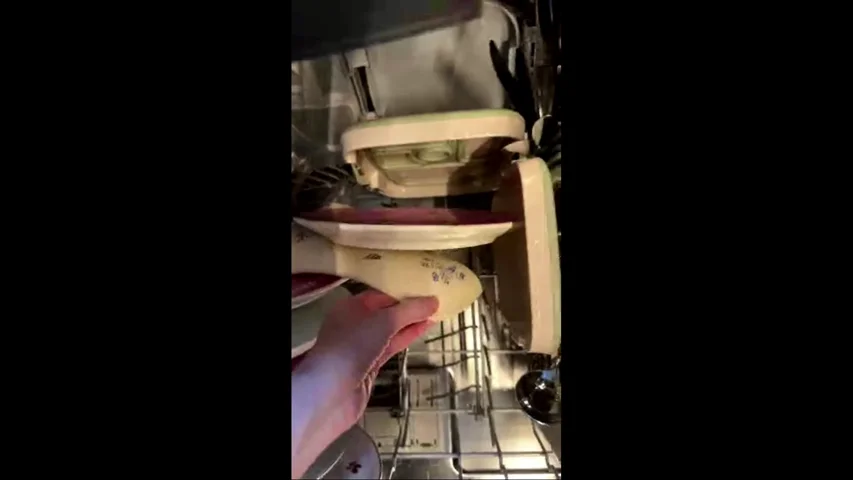
“Yeah. I think it's related to their shape. These are it I've noticed that where water pools, it's often on flat tops of things. And then things and especially, like, there's a lip on these cups, and so it's able to pool on the inside. Whereas this mug that's totally flat, there no water remains. So I think because it's able to drain off. So I think it's related to the shape of these items and maybe the texture because this silicone, again, it it isn't flat. It's curved, yet there are still droplets. So I do kind of wonder sometimes if the bottom shelf, some water falls from the top onto the bottom and it tends to stay there. But, again, this is I don't this is something I've always experienced with dishwashers. This one's no exception, so I don't think it's anything about my specific dishwasher. And yeah. So I think it's I think it's kinda more related to positioning maybe.”
“So open the rack, and as I unload, there it is. So I noticed plastic in this one doesn't really dry too much, so it's always usually wet. But plates look good, clean. Silverware looks the same. Coming up here, has some pulling on the plastic itself. But outside of that, everything looks really clean.”
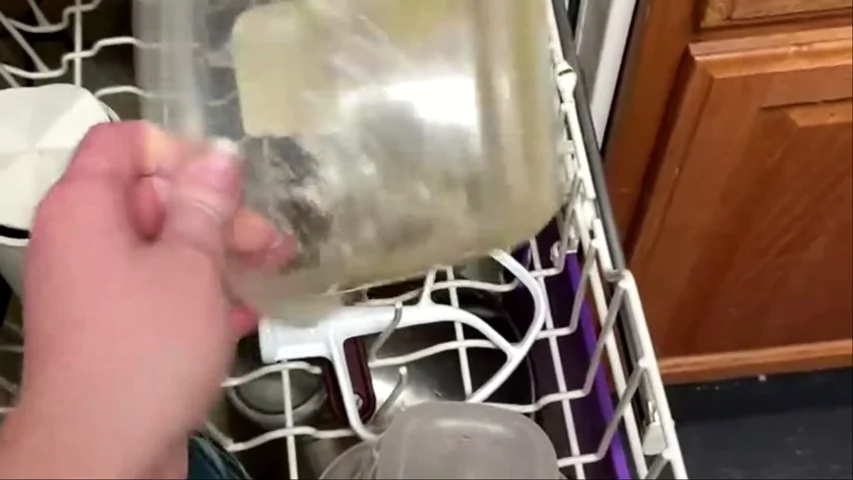
“I don't honestly know. It's gotten worse the longer that we've used this dishwasher, so I am assuming that's probably how the cycle dries it. Maybe it's how I place it, but I would have to place it down for it to get washed on the inside, which is where the food touches for the water to get drained off that way, I guess. So I don't think this will clean the inside like I want. So part of it is just, the lip on these holds the water really well. But even, like, a little cup lip, like, that had water in it that I dumped out. Like, even that little nut will do the same. So maybe part of it's how I load it, and some of it's how the cycle dries.”
“The other thing I would probably need to do is maybe try to angle the glasses so that, the water drains off the bottom of them and also maybe angle the, the bowls so that maybe the water won't pool along the outer rims, and it drains off of them also so they can get completely dry. What I mean is the top of the glasses where the water pools. Sometimes the water just pools on top of those and also around the rim of these plastic bowls. I shouldn't need I probably should when I put them in the dryer, I probably just need to maybe, like, if I can, maybe, like, tilt them like that. That would probably help. And then the glasses, maybe put them in like that. But then I'm not sure if the water will go all the way into maybe like that. The angle right there will probably help. That way, the it will still get clean inside, and it will drain off the bottom of the glasses.”
“I think it's just the geometry of the bowl and how it's facing. So the water falls off the top during the drying cycle and condenses and pools on the top of the bowls on the rims. So you could see it on the coffee cup here and you see it slightly on some of those rims. So if I would have tilted it a little more, it would probably yield a better, drying performance.”
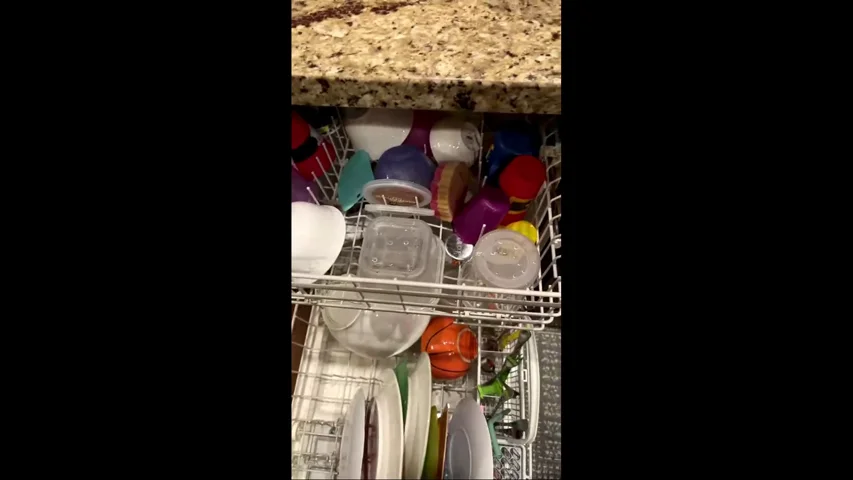
“It's for sure the shape and material. It's just the top and how that goes down a little bit, so the water's just gonna pool. And I don't there's no thing that's gonna magically fix that unless the drying if there's, like, a blow dryer type thing or something in there. But if we flip it the other way, that's not gonna get clean, and it's that's just gonna fill with water. So this is the best option, but it's the shape.”
“The only thing that I would do is basically hand dry a few things. Me flip the camera around. You can see here on the top of the casserole dish, and the size is still wet and underneath a little bit and on the inside. Although it is clean, so I'm happy with that. Up here, there is some water up in the tops of these, but they are indented. So, area for water to get trapped, but the other dishes seem to be dry. So, again, not that surprising.”
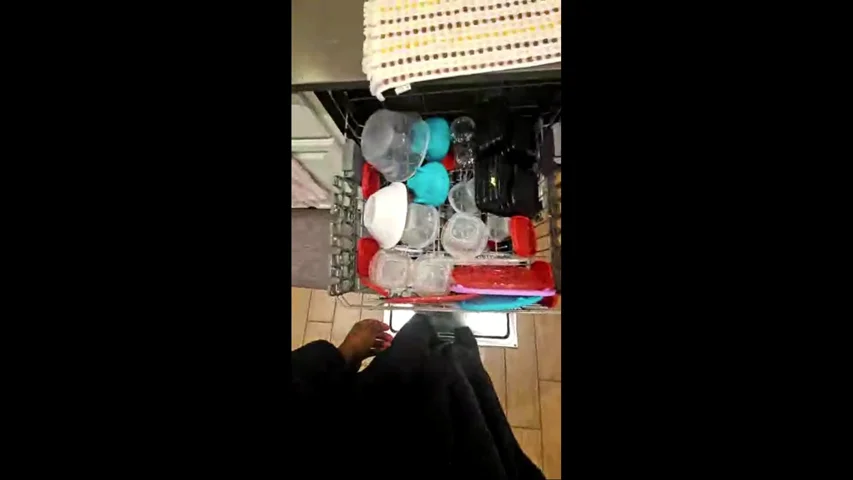
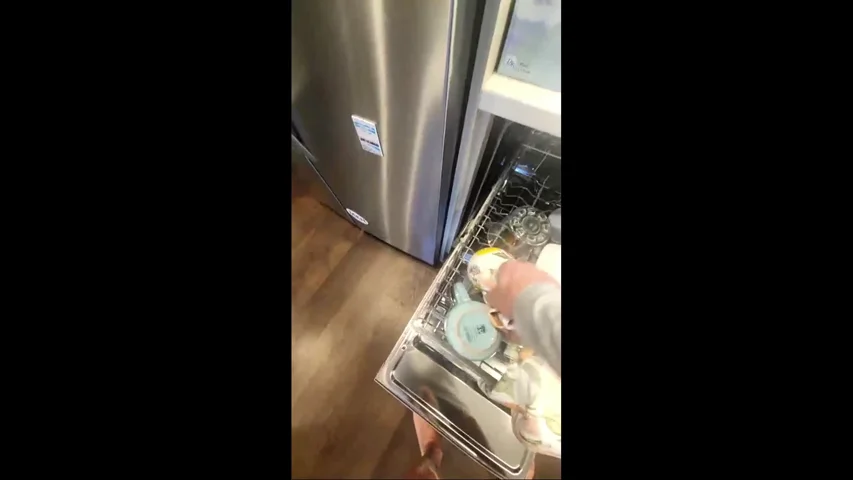
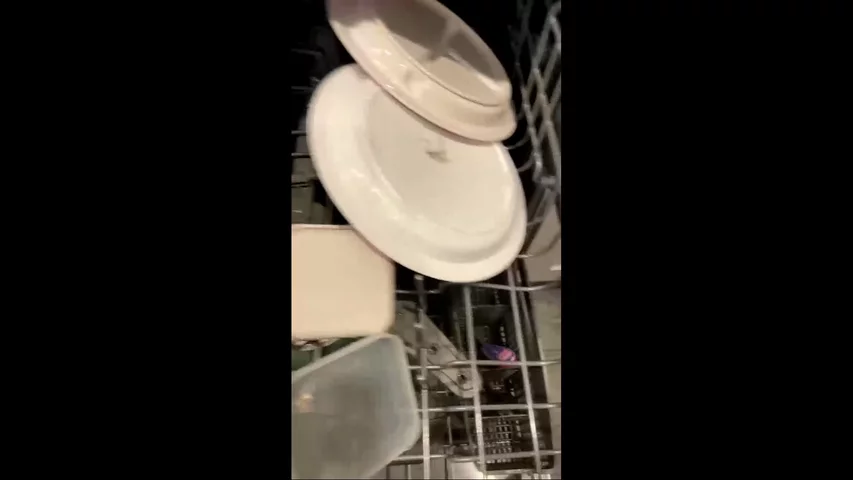
“I think it washes pretty well. The only thing is I have a hard time cleaning it. Like the inside of it gets pretty gross. I don't know how to clean it well. And I don't think it dries very well because a lot of times things will be wet, especially plastic things, and then we have to leave them out on the counter to dry.”