Damage Avoidance for Delicates Defines Success and Drives Caution
Facets
These facets are broadly related to the theme.
Damage or breakage observedClassified by AI
Any physical damage noticed on dishes or glassware (chips, cracks, breaks, warping, etching) while unloading.
Loading / organization assessmentClassified by AI
Participant's comment on how the load was arranged (over/underloaded, items blocking spray, unsuitable items) observed while unloading.
Follow-up reason / improvement / disappointment categoryClassified by AI
Captures the participant's brief reason for why the load was better/about as expected/worse (or what would have improved it) — used to group follow-up responses into actionable categories (e.g., cleaning, drying, time, damage).
Perceived cause of the issueClassified by AI
What the participant thinks caused the cleaning/drying problem (their attribution: program, loading, detergent, item type, water, machine, etc.).
Participant explanation (free text)Classified by AI
Participant’s brief reason for choosing that factor — capture their explanation verbatim or summarized (open text) for this load.
Primary perceived factor affecting wash outcomeClassified by AI
Which single factor the participant believes had the biggest impact on how this specific load turned out (choose one).
Dishwasher household quirk categoryClassified by AI
Classifies the type of funny, surprising, or typical behavior or practice the participant reports about how their household uses the dishwasher.
Quotes
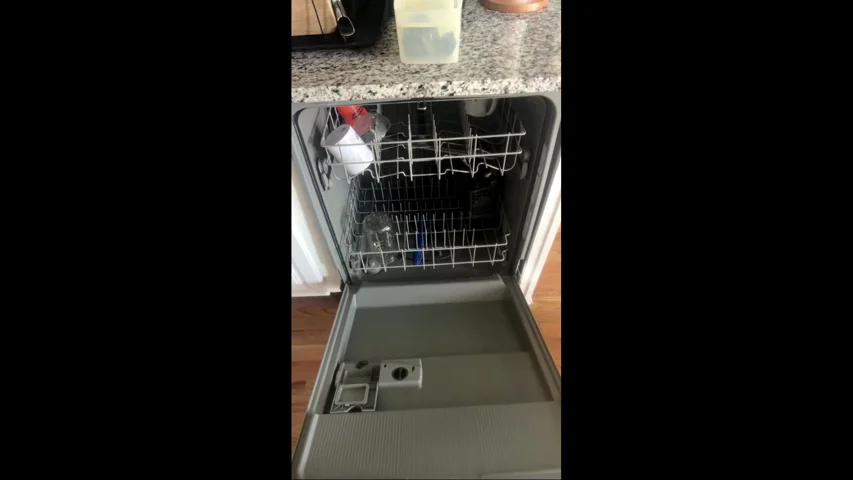

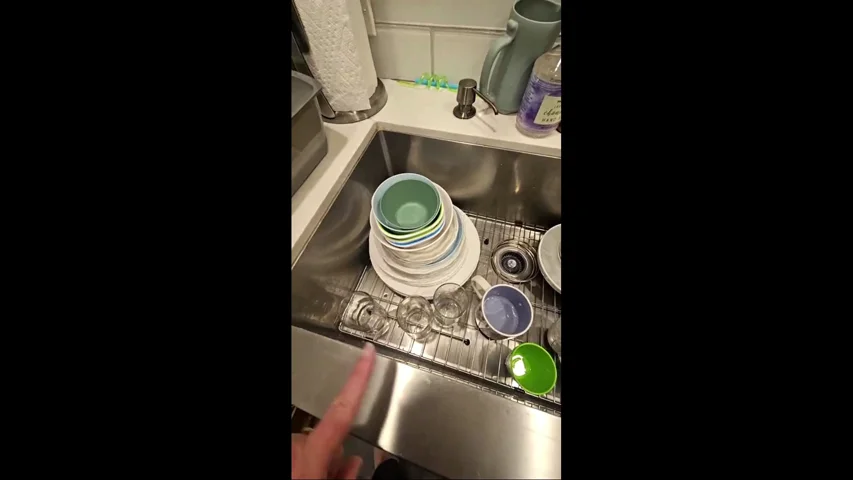
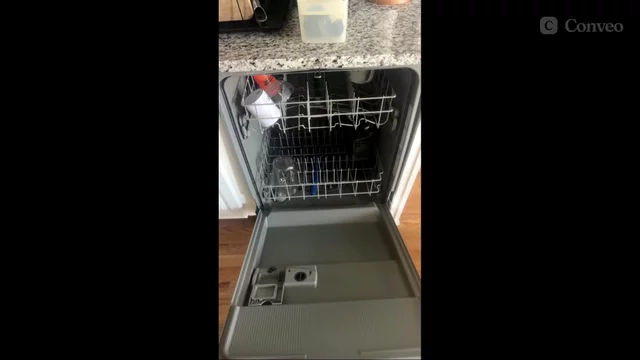
“The thing that I get a little bit worried about are these glasses. We've had a couple of them break in the past. We bought them a few months ago, and I'm not sure if they're just cheap glasses, but a couple of them have broken in the dishwasher. So I would say I'm most concerned about, these getting broken, but I'm not, very concerned about anything else.”
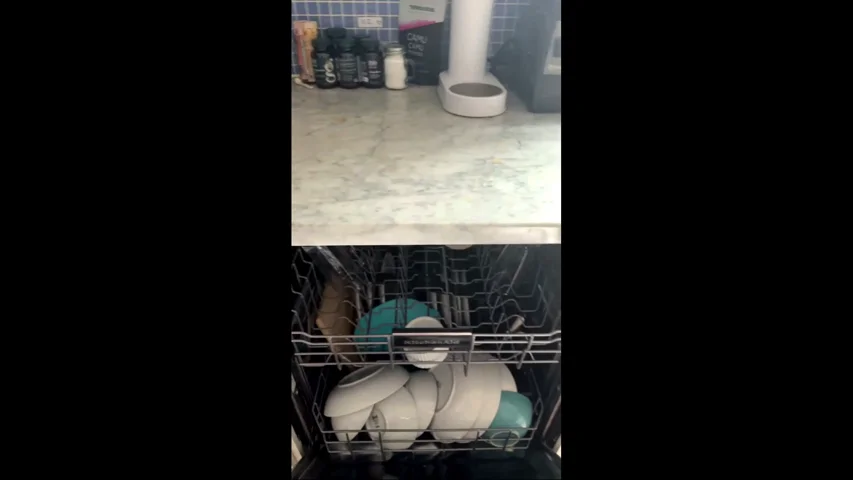
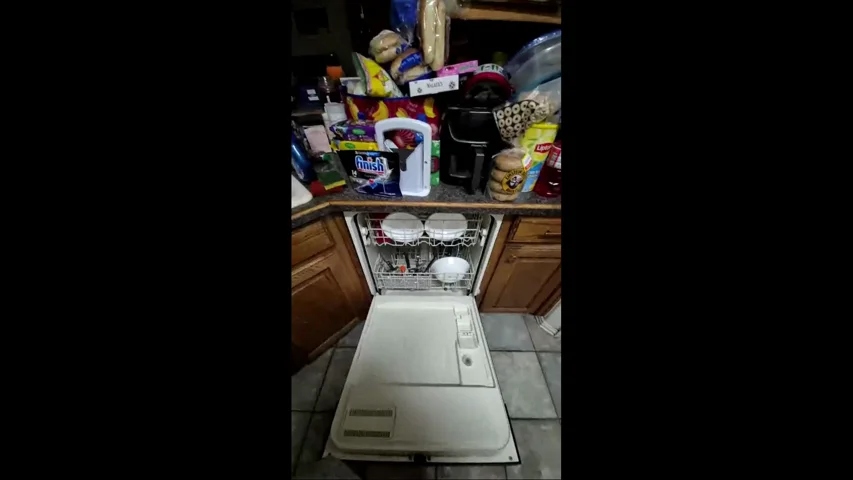
“Oh, that's kind of a hard question. I think that probably the one thing that probably somebody might recognize is the fact of making sure that the plastic ware is kept away from the heater because you wouldn't want it to melt. I have had in the past stuff going down into that heater element there on the bottom of the dishwasher and melt stuff like spatulas and and and and pieces like that. You certainly don't want that to happen with a a plastic bowl or storage container. So I you may probably, I think the things they would most recognize the fact that that stuff is kept on the top rack so that there's less of a chance of that happening.”
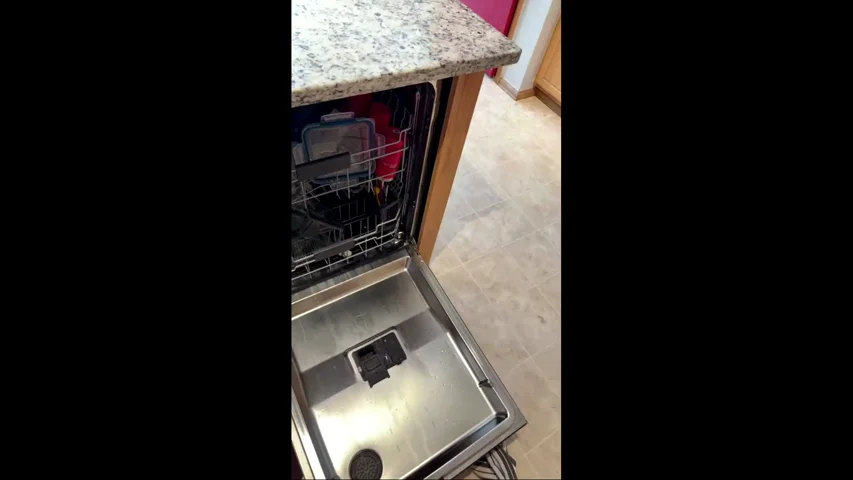
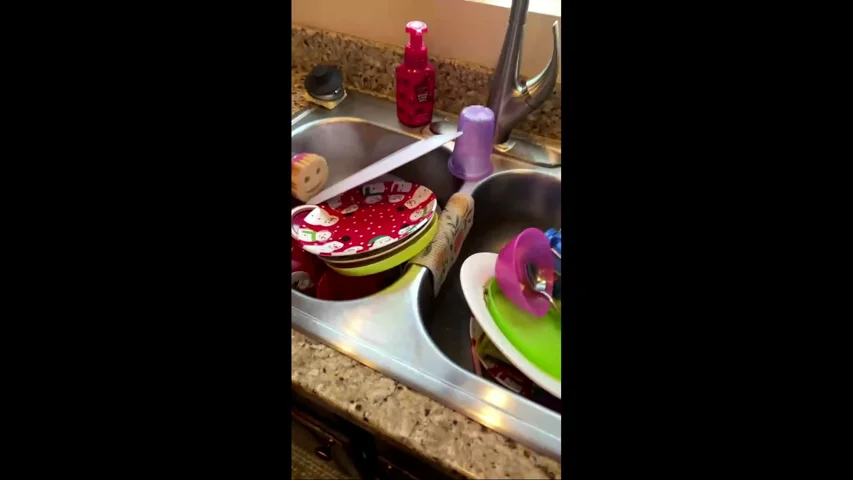
“Not in this particular load. This is kind of like every day all this stuff has gone in the dishwasher. I don't normally put stuff in the dishwasher that I'm a little nervous about. I would rather hand wash that. Alright, like these knives I don't ever put in the dishwasher because they're very expensive, but there's nothing in this load that I'm worried about.”

“If you feel this, see this? This, you can also feel. So you see how it's peeling right here? So if you can't if you have certain cups that have those, then when you put it on the dishwasher, you do risk it peeling. So a lot of people, like, with their special cups, like my dad, he has a lot of special cups. He doesn't put his cups in the dishwasher.”
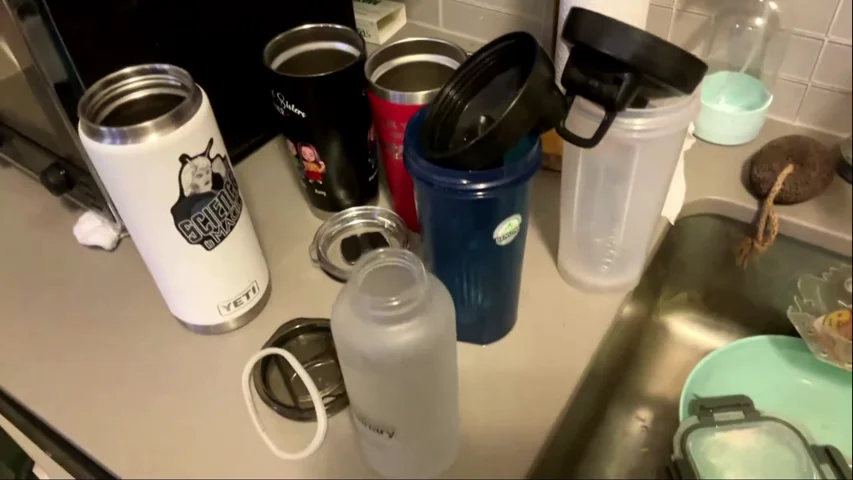
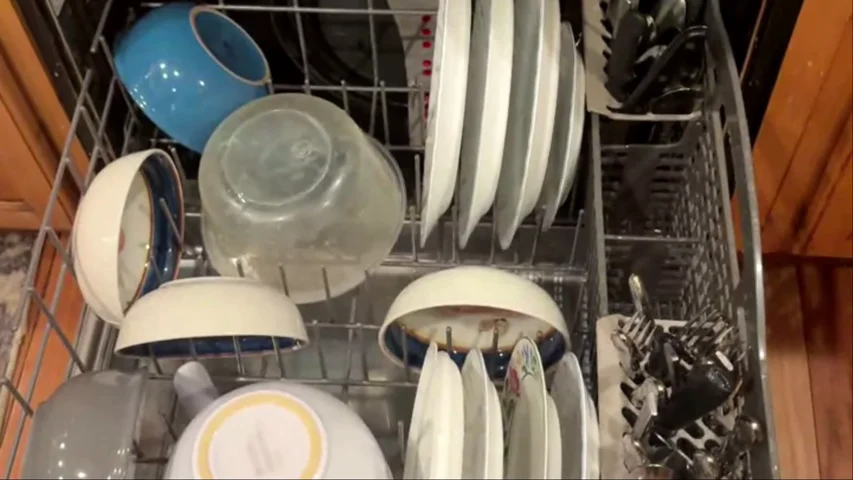
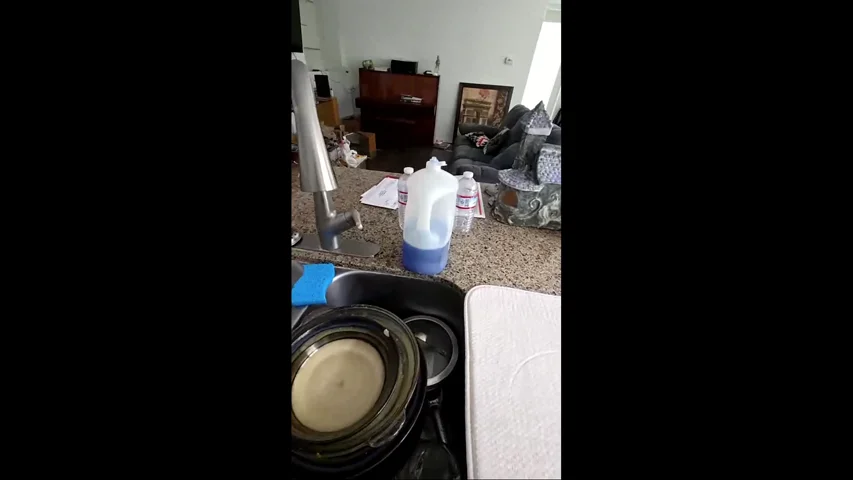
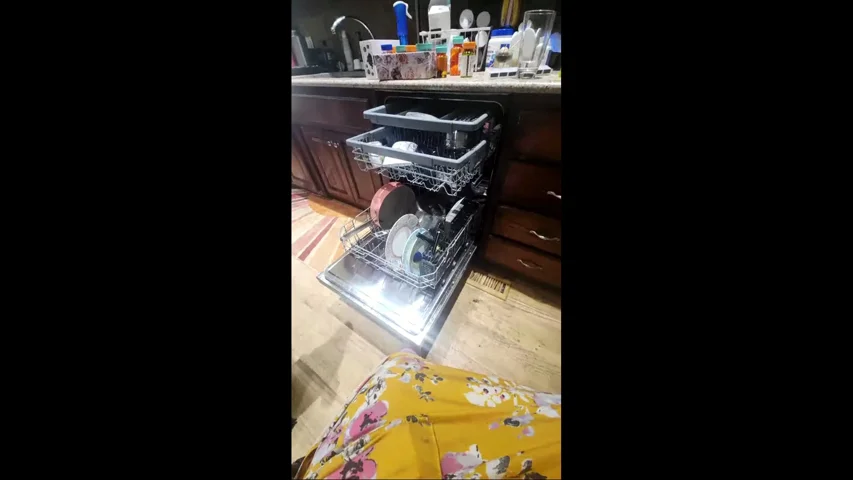
“The official rule is don't touch my cast iron pots. My husband tried to do that a few times. I have cast irons, a whole collection, and he tries to put those in all the time. To wash those is a no no. That that's mainly the only thing that doesn't go in to the the washer machine. He's a big stickler for if he was here, he'd make me rewind my pots. He's a big everything has to be double washed. He washes the dishes with soap before he puts them in, and he loads the dishwasher totally different than me. So since he's not here, I get to load the dishwasher how I want. So I think that's kind of the unspoken rule of dishwashing and marriage is, if you're here and you see the dishwasher, there's gonna be a fight. But if the husband is away, the dishes can lay where they go. And, and likewise, if a wife is away, the dishes can lay where they go. So that's kinda how it goes in my household too. I do I do the dishes my way whenever my husband is away.”
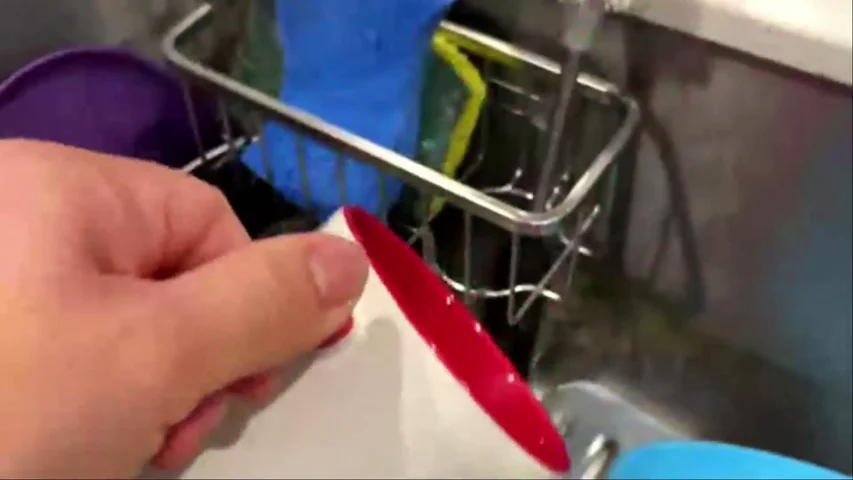
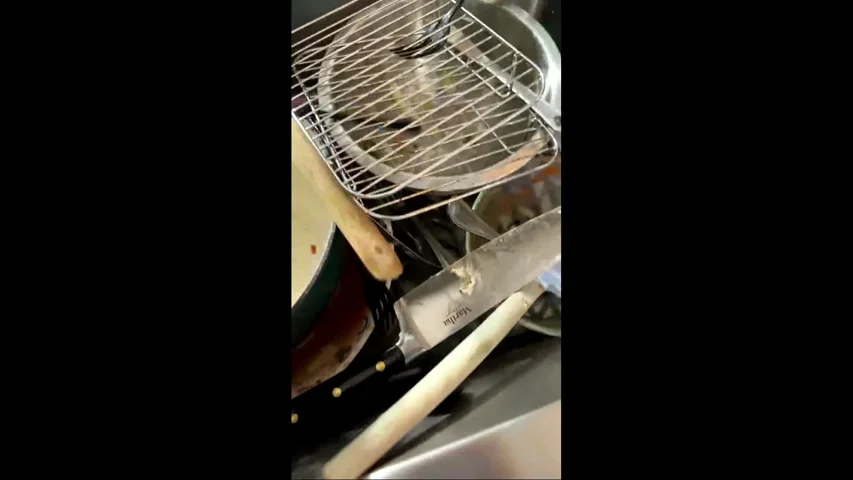
“I'd say there's probably two things. There's the serving right under there. It's a Disney themed one. It does pretty well in the dishwasher, but I want it to come out clean, but also this pot as we've had for a long time. So I want it to come out clean and not have any more, you know, chipping or wear damage to it.”