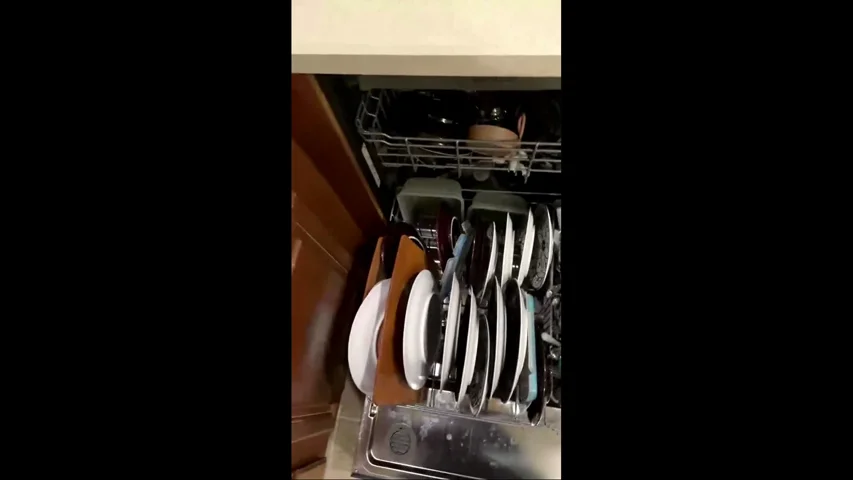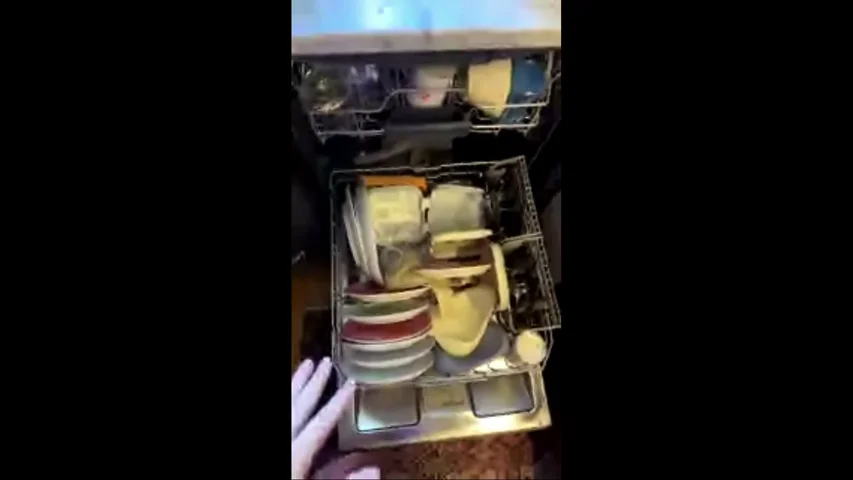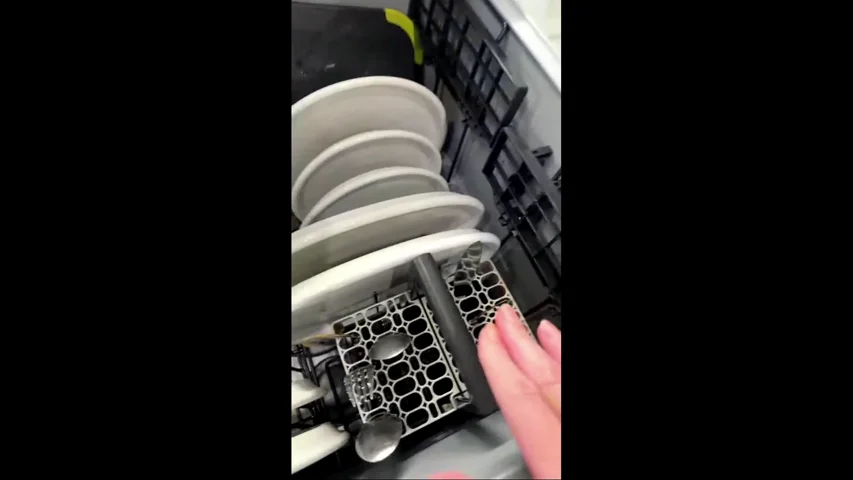
Consistent Rack Norms: Plates Bottom; Bowls/Glasses/Plastics Top; Silverware in Basket
Facets
These facets are broadly related to the theme.
Cutlery placement methodClassified by AI
How the participant arranges cutlery (basket vs. tray, separated by type, mixed) as they show the cutlery area and explain their approach.
Item orientation and nestingClassified by AI
Specific orientations or nesting behaviors the participant uses (e.g., inverting glasses, tilting items, nesting) and reasons given during the rack pan.
Item-to-rack placement (per-item mapping)Classified by AI
Which rack the participant places common item types (plates, glasses, plastics, pots, bowls, etc.) in while panning across top and bottom racks — captures their item-to-rack mapping and any atypical placements.
Quotes
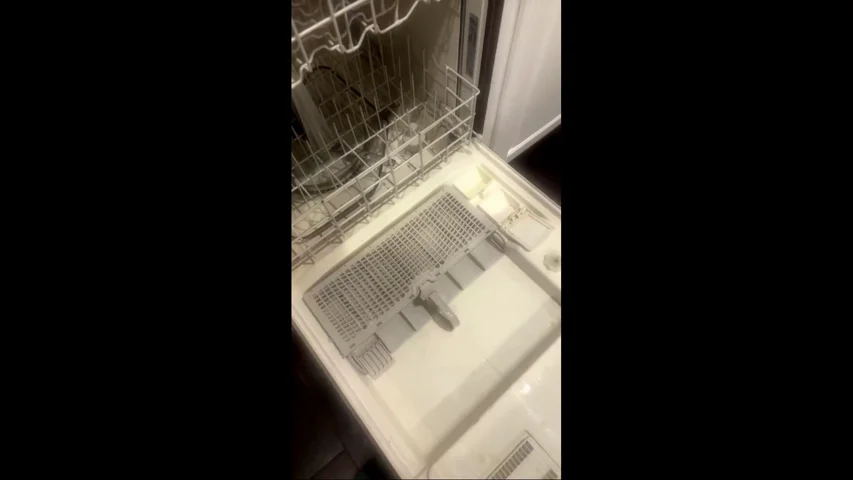
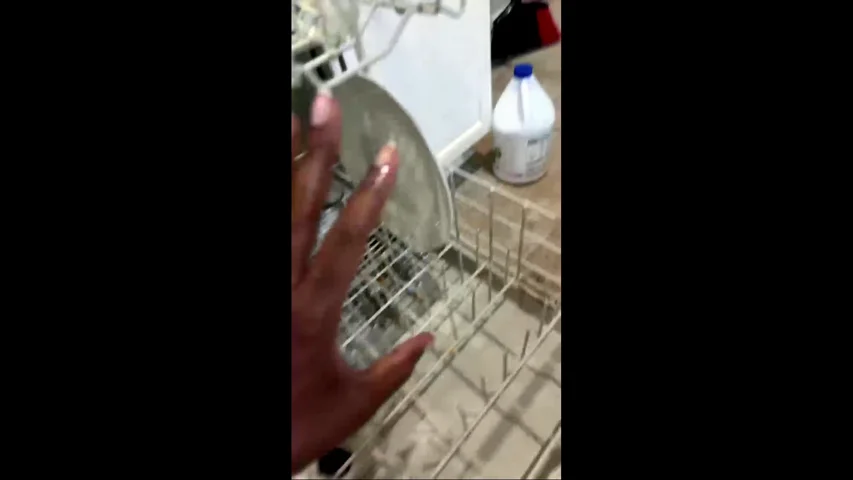
“So when I load my dishwasher, I always put my mugs and my glass cups and my bowls and anything that's small that can go up on the top goes on the top. My plates and bigger bowls go on the bottom. I have more stuff to load. Of course, I'm not done. But the bigger items go on the bottom because for me, it just works.”
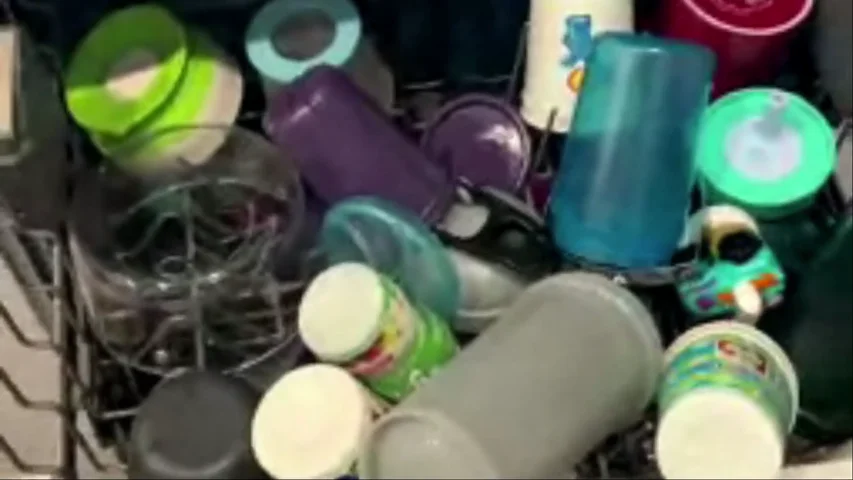
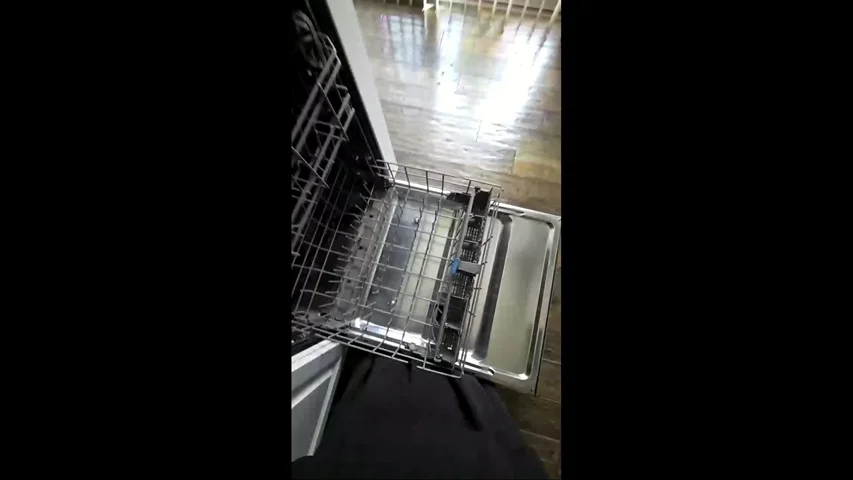
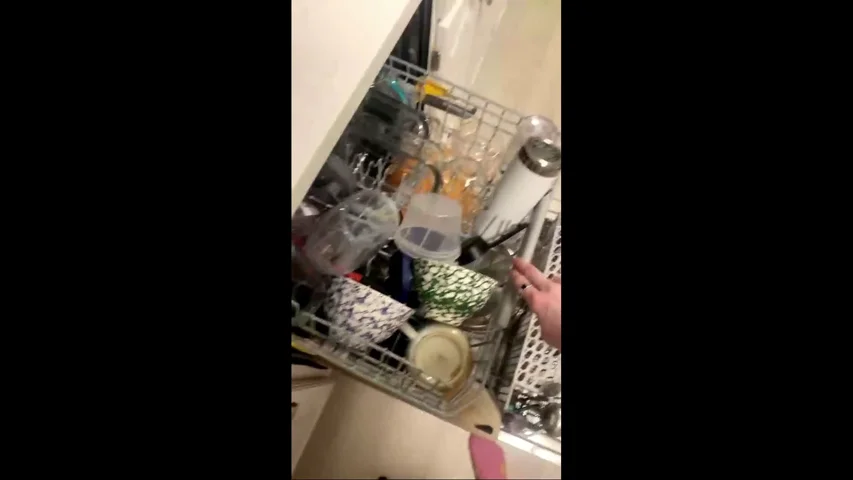
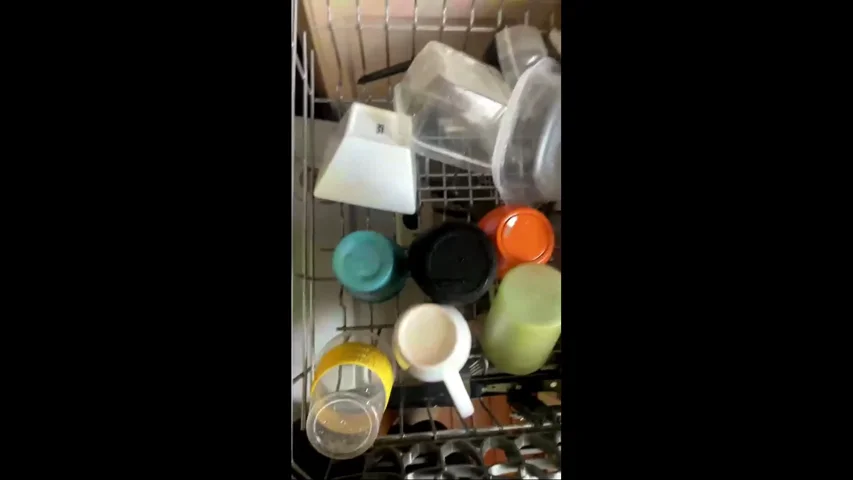
“Okay. It's funny that you said, do we have any rolls in our household? And, yes, we do have rolls. Our rule is to make sure before you turn on the dishwasher that it's filled. So you can't turn it on without it being filled or else it's wasting, like, money and everything. So, on the bottom, I have, like, plates. I have the big items in here. I don't feel like washing by hand. Usually, I wash them by hand. But if I don't feel like it and we still have, like, a couple of cups out there that I didn't put in because I I'm I'm gonna wash them by hand due to the designs and stuff, but, I put all the cups on top and bowls. Usually, you're supposed to put all your bowls on top because if you put your bowls on the bottom, it does not wash properly. So I usually do that. And then on my plates, they all go on the bottom or, like, tops and flat stuff like this. So this in particular, I'm putting in here. I'm not sure how this will do. It's it should be fine. And then that's what we put our utensils. I have, like, this knife over here on the side, and then I put another utensil on the side on that side. So and then I usually use Member's Mark.”
“Okay. It was already loaded, but I'm gonna show you how I do it. I do all of the, cups and everything and anything plastic I put on the top row. And I'm gonna just add one more like that. I make sure that everything is you know, has room for the water to get in. This is my silverware that's ready to go. The plastic does okay in the silverware. And then this is how I do my dishes. I put my my big dishes here on the bottom. Usually, smaller dishes like salad plates go here, but I'm washing my dog water bowl. And again, some more bowls. And here where it's the dirtiest, I put on the bottom. It's our cutting board, one of them. So this is a mildly light load, so I'm not gonna run it for too long. Okay. It's not clicking to submit.”

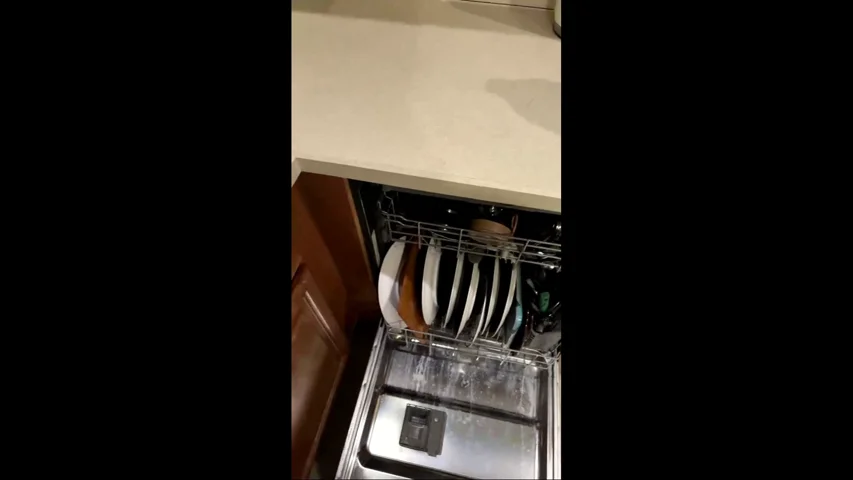

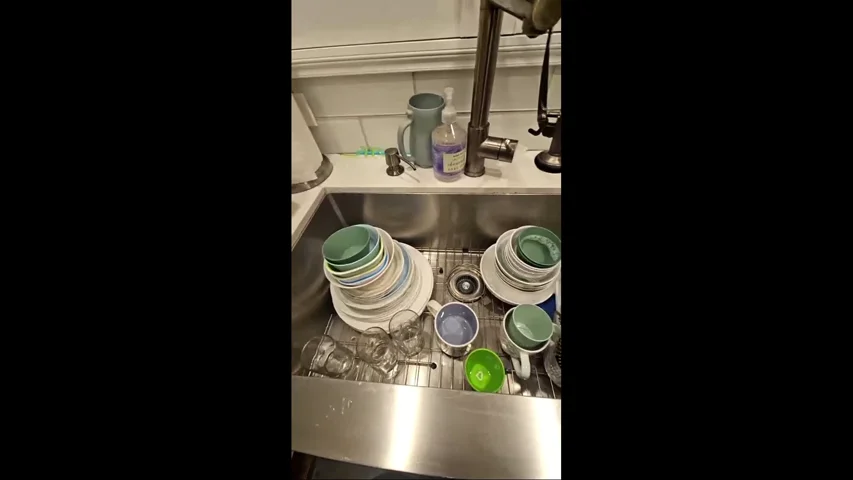
“So starting at the top rack, so we do bowls up here because the height works for us. They don't it they don't fit on the bottom pegs, like, nice and neat, and so here everything can just kind of get extended back. And a lot of this comes down to height. I think sometimes we put these in the top shelf just because they're plastic, that seems a little bit better to have them away from all of the heat. As far as cups go, they're, again, just kind of a height thing. They fit just right here, so we like to use the bottom for anything that's a little bit taller. And then going to the bottom rack, so you see our larger dinner plates, the larger reusable cups, and then the smaller plates.”
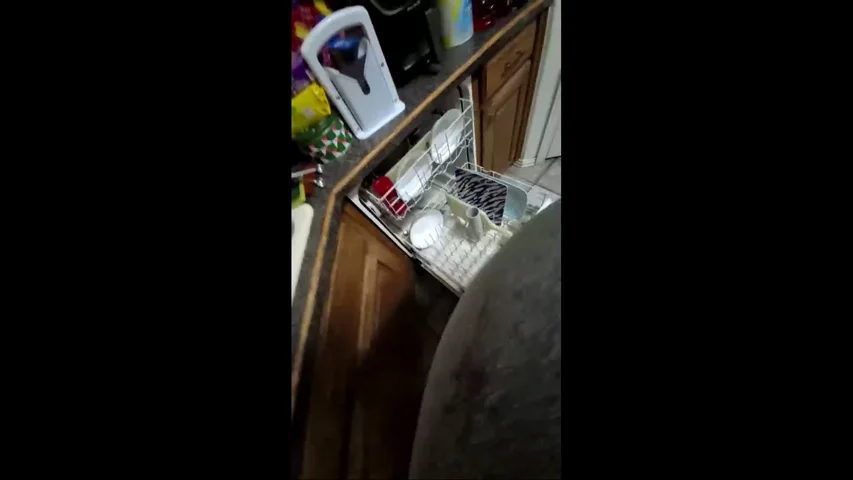
“So I am most of the way towards getting this dishwasher loaded. All the silverware goes in the silverware rack. Let's see here. This cutting board, I'm gonna put here along this vertical side with bolt backs. I'm actually gonna be have to go over here. I'm actually beginning I need to get out the the very large microwave rack momentarily here. So plastic things, I generally keep up here on the top rack. That's, you know, for for heating purposes. You've got the heater for the dryer over there, and I wanna try and make sure to not have any of the stuff, you know, fall down or melt or anything like that. Let's see here. Duck around here, but make some room for this piece. Cutting board. Okay. Can put this here. Now some of this stuff's not gonna end up staying in place. It's gonna get probably, you know, turned over and filled with water. So I'll have to deal with that before we go into the final dry cycle. Almost done. Silverware. You'd think it's almost dirty. I have a little bit of a some produce in there that needs to be down the disposal. Okay. Measuring tool. Last of the silverware. This is the basket. Mysterious sponges that I couldn't find earlier when I was cleaning stuff up. Alright. So I've got one last piece I've got to grab and that is the side of the microwave. I'm gonna wash this in a few weeks, so I'm gonna put this in here like that. So it's just about maximizing my space and so forth. And now the dishwasher is loaded.”