Post-Wash Workflow Hacks Reduce Confusion and Extra Work
Facets
These facets are broadly related to the theme.
Remediation severity / extentClassified by AI
How extensive the required post-wash fixes are, indicating impact on effort and workflow.
Post-wash remediation actions requiredClassified by AI
Which concrete fixes the participant says they need to do after this run (e.g., re-wash, hand-scrub, hand-dry, re-arrange, discard).
Dishwasher household quirk categoryClassified by AI
Classifies the type of funny, surprising, or typical behavior or practice the participant reports about how their household uses the dishwasher.
Household role or conflict driving the quirkClassified by AI
Captures who in the household is responsible for or causes the described quirky behavior and whether it creates conflict or an established routine.
Quotes
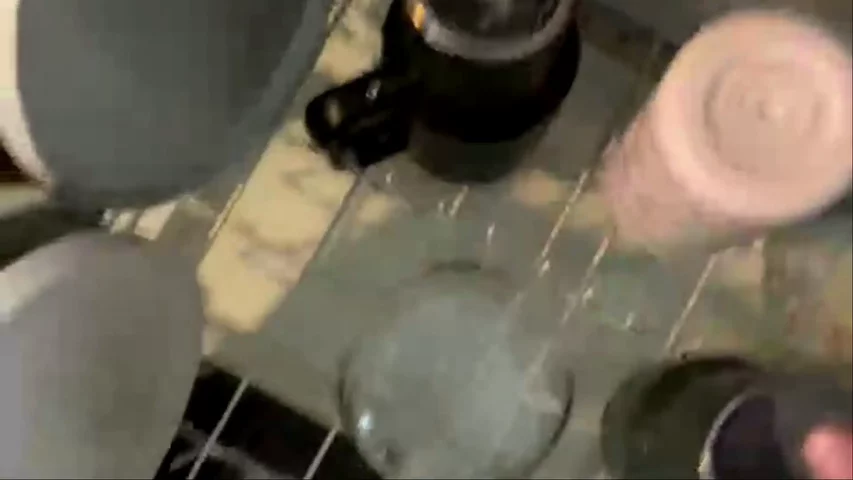
“So everything is grouped in our household. So large plates go at the left end. Small plates go here. Toddler quick plates go in the back. All of our cups start on the side and kinda move their way in. Generally, the side is just bowls or glasswares that need to get washed. And then cups and random tall things just go at the bottom. We're pretty particular about silverware. All of the like silverware goes in a spot. And, really, the reason for all of it is so that as soon as it's done, everything can be emptied really quickly and really efficiently. And it only takes us a few minutes to empty the dishwasher. We just make stacks, and boom. Everything is done.”
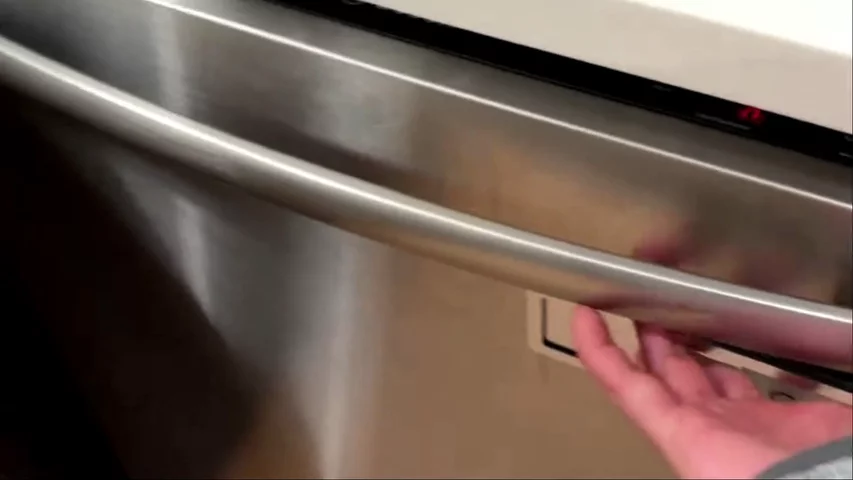
“I would say it would be the sign because there have been many times where, a load is clean and my husband will add dirty dishes to the clean load where it hasn't been unloaded. So there's been a lot of confusion with that, which is why I got this sign so that everyone is on the same page. But then it does lead to some discussion because sometimes my husband forgets to update the sign. So this is kind of still work in progress, but something that I like to always have it accurate and up to date.”
“I would say probably determining if it's clean or dirty. It's kind of funny because I'm going to flip this forward. I went as far as one time I made a magnet and then I I bought a magnet and one side says dirty and the other side says clean and no one ever remembers to flip it including myself.”
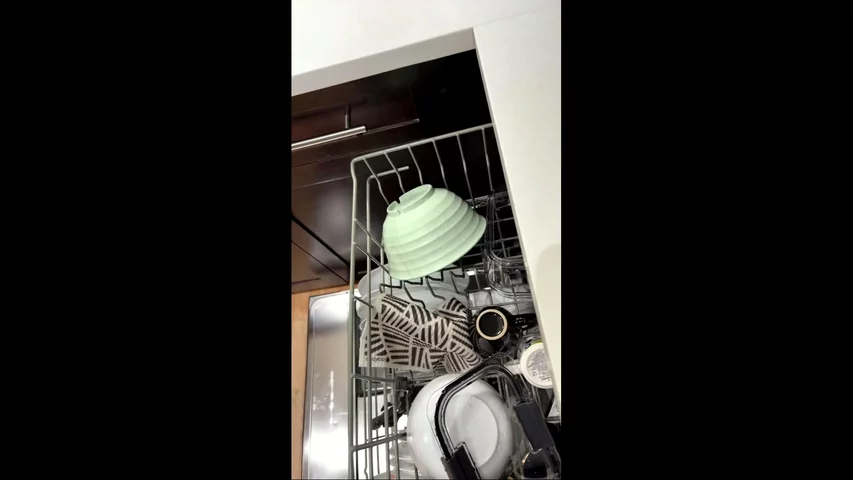

“So some dishwasher rules I have is that more delicate fragile items go on the top, such as Tupperware, espresso mugs. Those go on the very top load, anything that with more plastic than we're concerned about. Things on the lower load are the silverware and larger bowls and plates. They always go there. And then on the outside of my dishwasher, have this sign that says dirty or clean. So I always make it a thing with my husband to indicate which, I guess, status it is in to always reflect, whether there are dirty dishes or if there are clean dishes.”
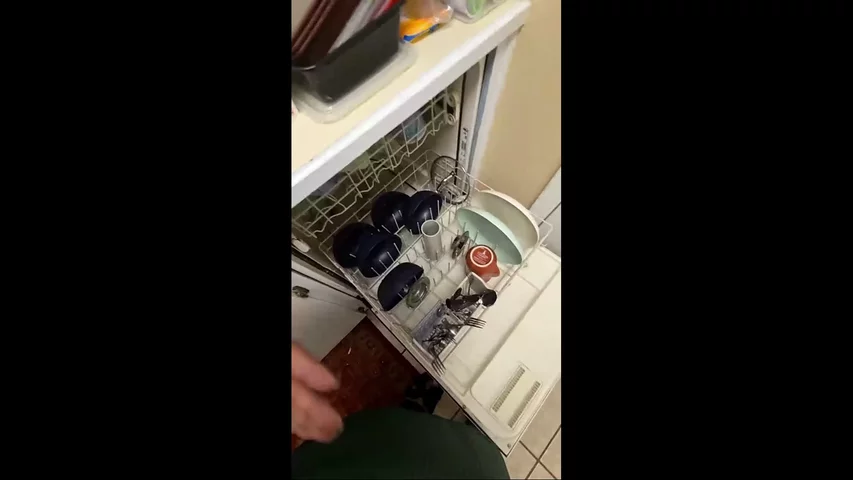
“we'll sometimes well, if we're lazy, if we leave stuff in here and let it go through another load as we add other items that are dirty. So we'll keep, like, clean items instead if there's, like, only a few things left because we usually use the dishes out, you know, clean dishes throughout the day instead of putting the whole thing away, sew up and leave some in there if we we need to load it and just let it pour them through again so they get, like, double or sometimes even triple clean. So that's pretty funny.”

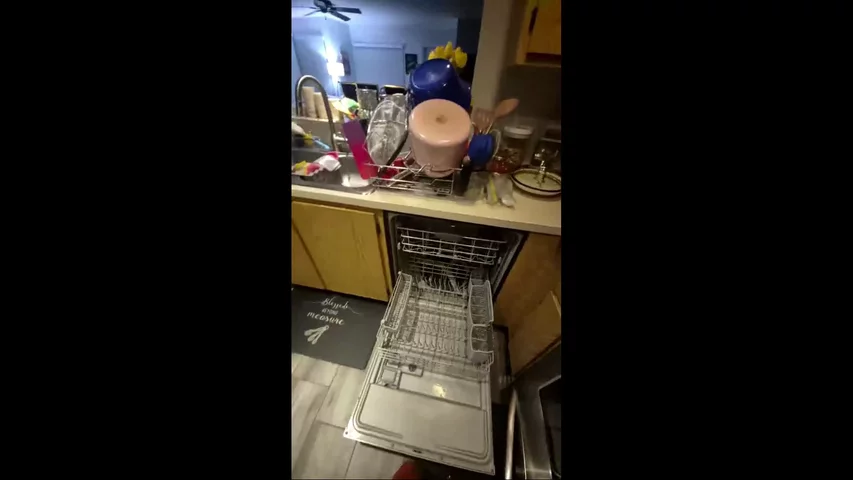
“So like I said, I'll normally put some sheet pans that I don't really use that often, and then I'll put these lids to different pots in there just because they take up more space if I try to put them with the pots that they belong in. And then this thing down here, apparently, it's supposed to keep certain items, like, warm if you've used the oven with the stove, I use it for storage as well. So I put a lot of my pans down there and especially the long sheet pans. I put that down there in that area. Sorry that my stovetop is a little dirty. I have to clean it. But yeah. So those are the things that end up living in here when I use it as storage just like longer sheet pans that can't fit down here. And then the tops, the lids for pots because I put my pots actually in here. So I if I am gonna run a load, text me about couple seconds, less than a minute to take out the things that I've stored in there because I don't store a lot. Usually, things just on the top rack. So I take them out. I put them here on the counter, and then sorry. I put them here on the counter. I run the load. And then once the load is done, I go ahead and clear it out. And so these I won't put them in tonight because I just ran it. But tomorrow when I come back downstairs, I'll put them back in there.”
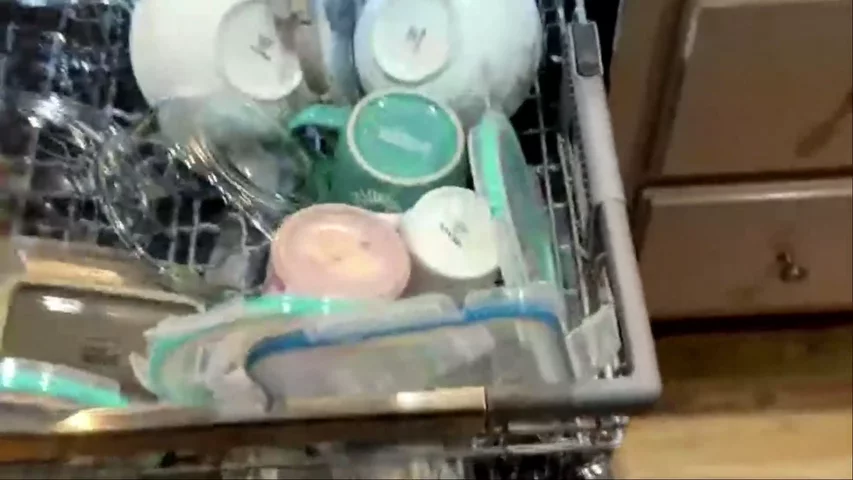
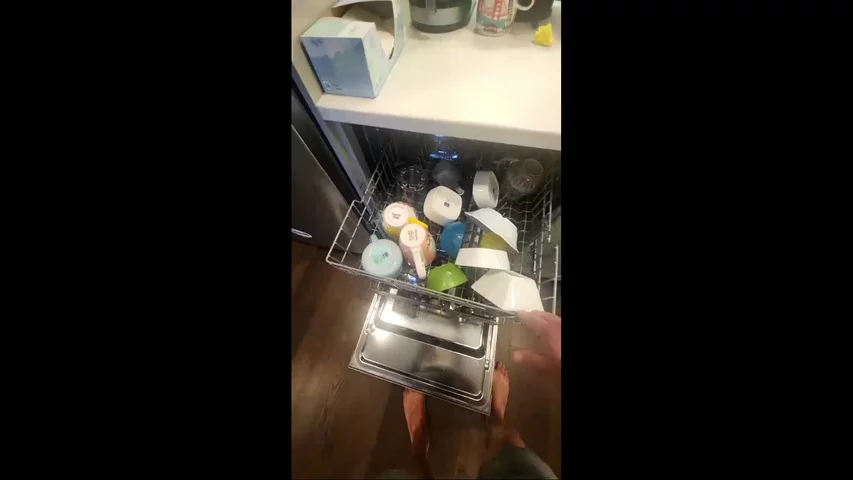
“There's nothing really so much like that. I think I mentioned, we have a sort of running joke that my wife likes to unload the bottom first because the top can get the bottom wet. But I always say that if you pull out the top carefully, it doesn't get the bottom wet. But this is, a little little running joke in our household. Other than that, no surprising or typical thing, I would say.”
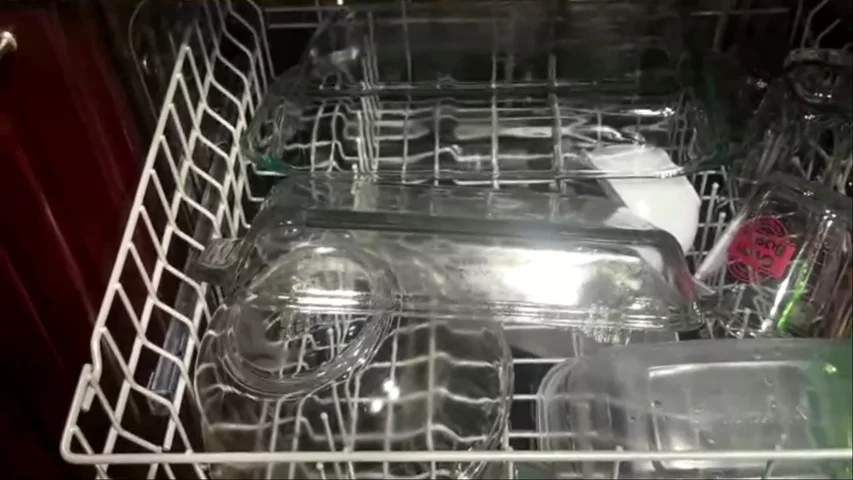
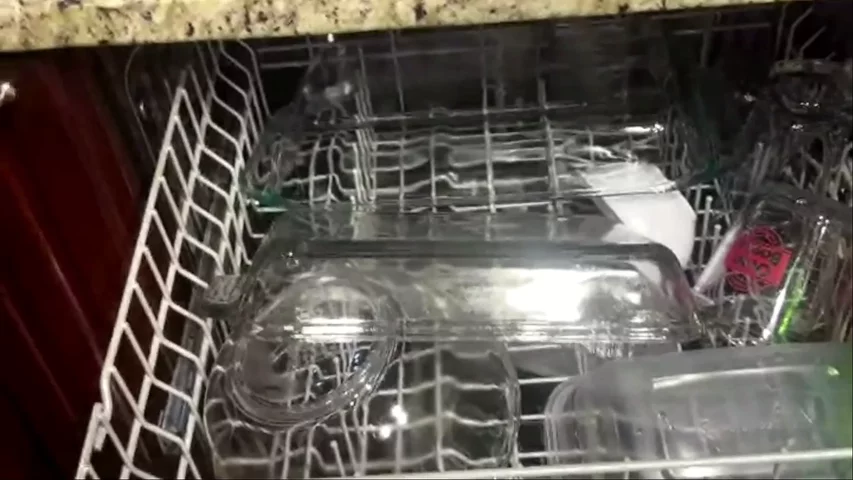
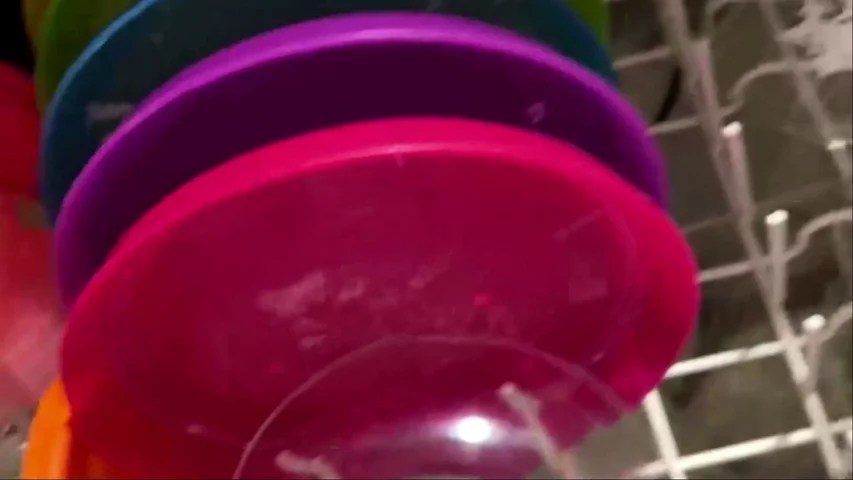
“So there was a couple items that I flipped over initially. Like, I flipped over this bowl. I flipped over my lid. Obviously, I think those need to dry a little bit more, but I don't intend on hand drying them. I intend on just leaving them in here for about another hour. And then if they still need to dry, I'll leave them set in our regular dish strainer as long as is needed.”
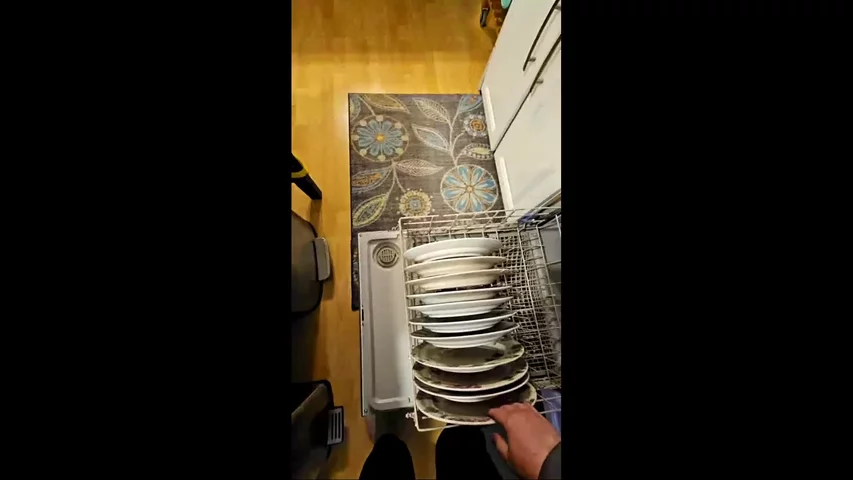
“Okay. Just opened it up. I had to pause it really quick because it's still warm and it kinda hit me with a burst of hot air and fogged my glasses. So I usually start with opening the half drawer first because do I usually? Well, that's what I did today. I don't know. There's a little bit of water in the bottom of this cup because it has kind of a rim. So usually I just take it and turn it upside down. Some of these utensils are still kind of warm, so I'm going to take them out and just place them in my drying side of my, that is very very hot. The drying side of my sink. And I'm gonna pull this out and unload some of the plates. So they are still very, very warm. Typically, we wait until the next day to unload. Oh, very hot. I'm just gonna do a couple of these at a time instead. They do seem pretty dry, which is nice. Just very hot. Couple of different types of plates here. So they all all the plates seem to be really clean, shiny, not really any spots.”
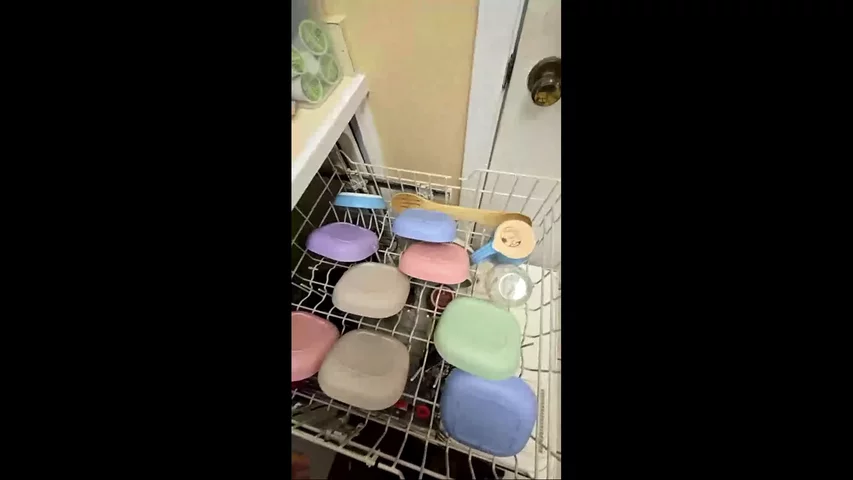
“Yeah. Like, I just had rearranged these bowls because they were, like, sitting up like this. Three of them were sitting on top. So I had to pour the water out, put them back like that. Pour a little bit of water that was out. Back in the hand dry. Just gonna let them sit because I don't need anything cooking right away. By tomorrow, it'll be dry when I'm ready to use them again, so I don't really need to I feel like everything's clean enough. I usually tend to rinse off things before I use it anyway, so they'll be fine.”

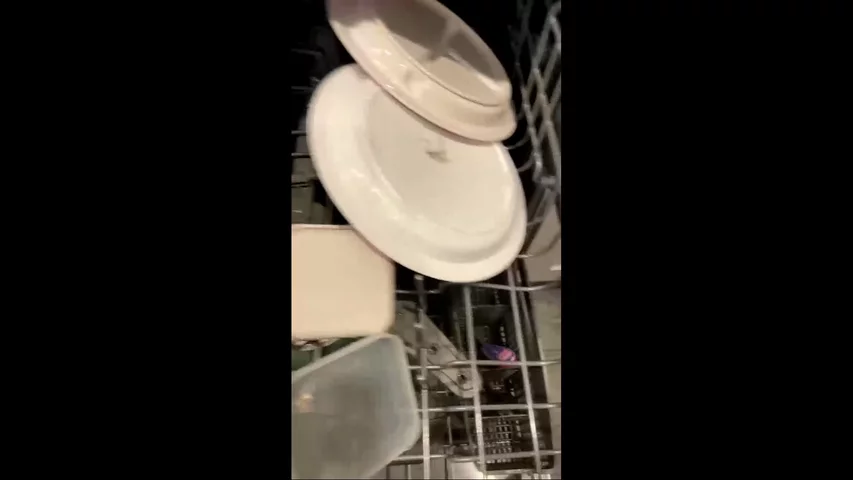
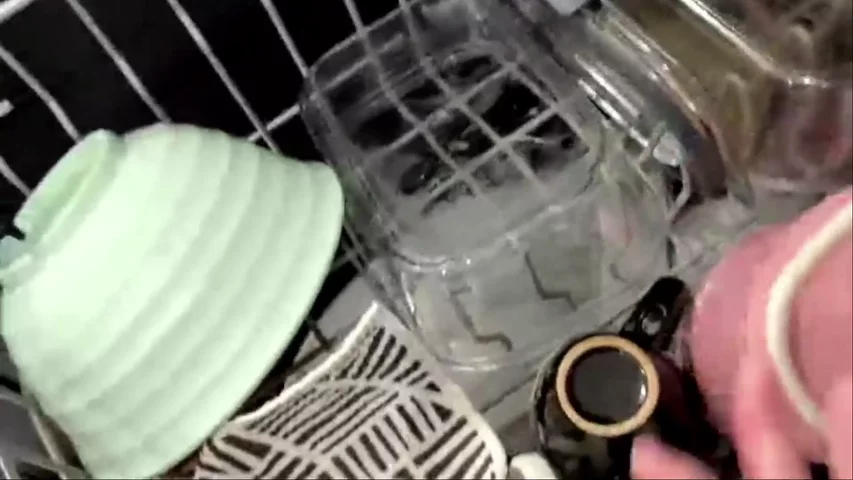
“I would say this top rack is always kind of a little hack. I find that with the Tupperware, I'm always having trouble placing the lids in appropriate way where it feels like it's being cleaned appropriately. So I kinda stash them in these individual slots here, but just the way they fall or, like, are angled, sometimes they aren't cleaned very well. I would say another hack is this Swedish dishcloth. I kind of lay it flat on this kind of kind of middle division here that is flat. But, again, I'm not totally sure it's gonna be cleaned a 100% well, but this is kind of the only solution I have for placing it there.”