Shoppers enter stores with specific brand preferences and nutritional goals for protein bars, seeking products that meet criteria like high protein or specific flavors, and choose stores that reliably stock these options.
Shoppers choose where to buy protein bars based on convenience, favoring stores that are nearby, familiar, and offer organized layouts and loyalty rewards.
Protein bar purchases are typically part of a routine grocery trip, included as secondary items while fulfilling other shopping needs, reflecting a focus on convenience and efficiency.
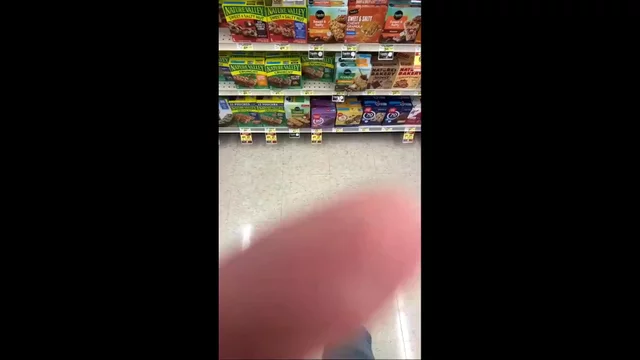
Promotional signage and vibrant packaging, including bright colors and clear discount tags, capture shopper attention at the protein bar shelf and can encourage exploration, especially when aligned with visible product groupings.
A well-organized protein bar shelf, with distinct product groupings and a logical layout, allows shoppers to quickly find their preferred items, reducing search effort and improving in-store navigation.
Eye-level placement of protein bars facilitates quicker recognition and reinforces brand familiarity, making it easier for shoppers to find and select their preferred bars.
Digital navigation aids, such as store-specific mobile apps, effectively assist shoppers in finding the protein bar section when traditional in-store signage or shelf arrangements are unclear or misplaced.
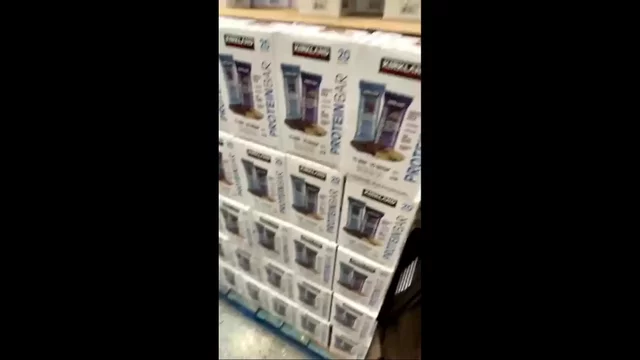
Strategic shelf placement and in-store promotional displays enhance product visibility, prompting purchase decisions. Items placed at eye-level or near cash registers, along with clear sale signage, are more likely to capture consumer attention and influence choice.
Even among loyal consumers, promotional incentives such as discounts or coupons can encourage trial or repeat purchases. These offers provide additional value that can influence final purchase decisions in a competitive environment.
Consumers prefer protein bars with clear, accessible nutritional information on packaging. Enhanced visibility of protein content and other nutritional markers aids quick decision-making during shopping.
Shoppers prioritize product taste and brand familiarity over packaging design when making protein bar purchase decisions. While packaging can attract attention, familiarity with the flavor profile and previous positive experiences drive repeat purchases.
Packaging aesthetics can draw attention, but the visual message must align with the product’s nutritional benefits. Misaligned imagery can deter the target audience, suggesting packaging should balance design flair with relevant nutritional cues.