Audiovisual Cues Trigger Emotional Shift from Fear to Reassurance
Facets
These facets are broadly related to the theme.
Emotional ReactionsClassified by AI
The immediate emotional reactions experienced by the participant while watching the advertisement, including feelings captured by Plutchik's wheel of emotions.
The immediate emotional reactions experienced by the participant while watching the advertisement, including feelings captured by Plutchik's wheel of emotions.
Emotional Response and ImpactClassified by AI
This facet represents the emotions triggered by the ad elements, including reasons why these moments were impactful and any verbal and non-verbal cues observed.
Impactful Ad ElementsClassified by AI
This facet captures the specific scenes, visuals, sounds, or messages in the ad that stood out and evoked a strong emotion. It is used to understand which elements of the ad were most memorable.
Quotes
“So I would say, like, the first half of the advert was quite fear inducing, I suppose. It makes you kinda question what is real and what's not real. The second half of the advert was much more uplifting and kind of supposed sending that message that you can get valuable trusting information from the BBC. So I like that element of it, and I think it's I suppose it's a good way of making someone, think about it, but I just suppose it depends on if someone is engaged from the start to the end.”
“These scenes made me feel like BBC journalists, you know, put themselves on the line, expose themselves to danger so that we can have trustworthy information, and they go out there to the places where they need to go to find out the truth. So that's quite impactful. That made me feel comforted and to admire them.”
“I think what stood out to me is just how widespread and prevalent AI fakery is on the Internet, and just it's scary how much misinformation is out there. How scary, how easy it is for people to create it and create it on such a level that fools people. I think what I get from the adverts, I get reassurance, reassurance that the BBC are doing everything they can to make sure that it's legitimate. Everything that they report on is real and accurate is reassuring.”
“Yes. Of course. And what what I was saying in the early part, I was really quite disturbed by some of the images, particularly the, you know, the Trump near assassination. You never want any harm to come to anyone. But in the second half, I was comforted by seeing the journalists, Clyde Myrie, and his voice and and those aspects, and I see them as people I trust and that they're seeking to find the truth, and I felt comforted and inspired by that.”
“How did it make me feel? Emotionally, it made me feel a little bit scared about the sheer volume of fakery and misinformation that's out there and just how believable it all is. It's scary. That's how it made me feel. I think during the ad, obviously, I get a sense of reassurance that the BBC are fact checking everything religiously.”
“That video initially made me feel quite scared. I'm quite nervous already of what is going on in the world, all the deep fakes and things like that. Obviously, I've got a lot of children, so it concerns me living in a world where they could get in trouble online. So things like deepfake, they scare me. But towards the end of the advertisement, you know, knowing that someone is going to expose any fake news, any fake information, knowing that someone is gonna always check all their sources, makes me feel more relieved.”
“What shifted my emotion and made me go from scepticism to reassurance, I would say, is more is once a journalist started to speak, really. Once they started to tell about to tell their story, it's, they said that why they're doing this job, Why are they staying up late or they're staying up all night? This is is is once a journalist started to talk that my mood shifted, and then I felt like, oh, okay. Yeah. This is this is okay. This is something that I can trust.”
“It made me feel quite anxious. It was intense, overwhelming, kind of create a little bit of a sense of panic with the heartbeat sound in the background, but then kind of took a shift towards making you feel almost sympathy and kind of empathy towards the people who work there and who were going to these places to make sure that we can see what's going on in the world and have an understanding of different things in different countries. So then I felt kind of feelings of empathy towards them and what they go through and how hard they work, like, it's saying that they're twenty four hours. It I've kind of felt a human connection with them and a bit of respect. And then towards the end, like a bit like the BBC was quite a trusted voice, which kind of challenges preconceptions about media that I think people have and journalists thinking they're all kind of not good people, but towards the end of that, I felt I almost could trust them because I knew they were working hard and going around the world to make sure that we can get access to information.”
“So in that ad where he was I was overwhelmed with a lot of false information, lot of concerns, all all of it coming out fast paced, it kind of felt overwhelming in a world of digital age, in a world of war. It's just like, where do you go? Who can you trust? So, you know, can you trust the media? Everyone on social media is saying it's false, pandemic. It's when BBC came along to say, actually, we're working hard in that deep voice of a narrator to say, we're verifying your source, and we're working night and day. We're working twenty four seven. This is giving me that confidence to say, actually, everything you believe might not be real, but at the same time, we're gonna go out there and we're gonna check for you. It's certainly different, like, environments, different stages of work. The pause on the live scene, they're wearing bulletproof vest, and getting ready, preparing, staging, constantly working to get that information verified, what are pause things they're out researching. Whatever it is, it just gives me assurance that BBC is going out there to work, which makes a big difference because in a world of information overload, who is out there confirming the facts, who is out there giving the information, and it turns out that the team dedicated, and it turns out the team will do whatever lengths twenty four seven. Now in the day, they have the support, they have the resources, They have the availability to make all that information credible and verified, which gives me that richness and confidence in the BBC.”
“Right at the start, with the pace of the video and the kind of flicking between different images and clips, that with the the heartbeat kind of building, that made me feel anxious. And then towards the end, when you see a focus mainly on the people and the human element, kind of halfway through the video, the pace seemed to change, and that made me feel more empathetic towards the people where you can see the journalists and the newsreaders in those situations, in those environments, that when that's when it took a turn.”
“The ad made me feel slightly concerned about the way AI is affecting the information environment and how easy it becomes to create false narratives. So it made me feel a bit uneasy and a bit worried about that, but, felt a bit comforted by knowing that the BBC is out there to try really hard to, to resolve that and find out the truth.”
“Yeah. So the specific moments or elements in the ad that contributed to the feelings of fear were the initial ones There's the initial fears were the deep fakes, the images of the the face scanning made me particularly scared to know that someone can do that and someone can change your face and make you appear in anything. And those kind of things scare me quite a lot. The relief was when it said that they were gonna work twenty four seven to try and find the truth. That helped, I think.”
“I think because the siren sound is not a sound you hear often, and it just kind of emotes panic and fear. It's usually always a bad situation if there's a siren going off. It kind of suggests something has gone wrong, So that had an emotional response from me. And then when the pace slowed down and the heartbeat sound stopped, it kind of gave you a second to reset, breathe, and kind of calmed you down because you you couldn't feel the or hear the heartbeat sound as rapid.”
“So I just watched that, and it gave me quite intense anxiety, especially the first part, which was showing, you know, different dangers and different events happening in the past few years. Not good events, a lot of misconceptions, a lot of violence, a lot of things which look like real, but they are not. So you don't know what who to trust and how the truth looks like these days. So then, then there was a little bit of reassurance that there are someone who is trying to make sure that I know what's real, give me the real information, and and, you know, it's it's their job to do it.”
“At the very beginning when I saw pictures of news being reported and different people saying different things and then being told that not all of it was factual, But then the voice in the background narrating the scene was quite reassuring and encouraging and identifying that all the things that they did to ensure that the stories that were projected were accurate and factual and that they wouldn't stop in getting to the truth.”
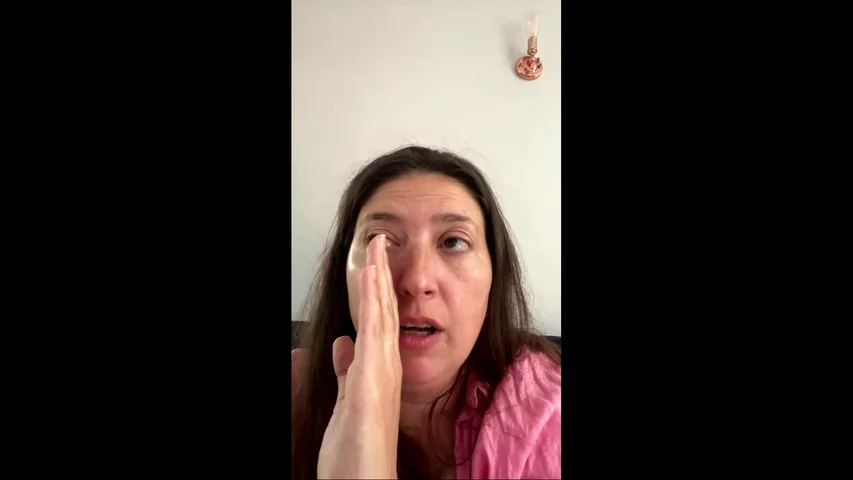
“The anxiety most from, the quick succession of information, that comes from fake news and disinformation, and the images, the visuals themselves. They were just a lot of them very quick, very fast paced and then it feels that once you get into the BBC newsroom it's a bit more calming and you feel like you become calm quite instantly and also again with the voice that that you recognise helps that.”
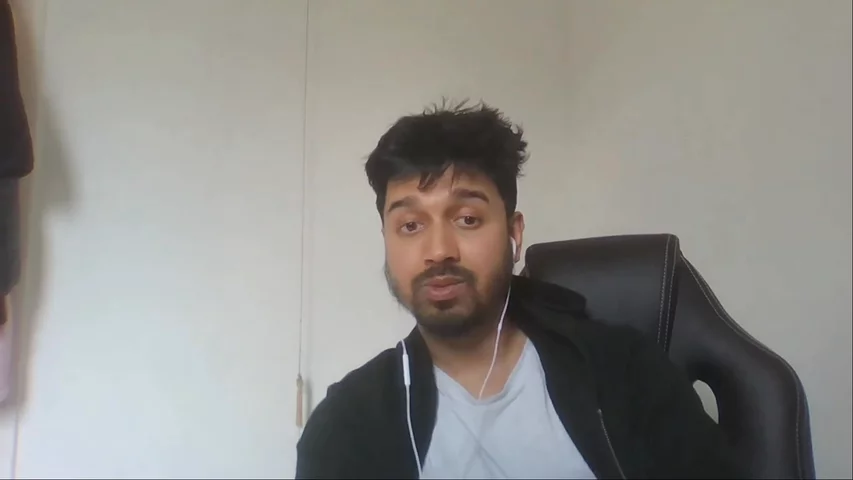
“At the beginning of that, I was very skeptical because of the dark theme playing in the background and the variety of images showed from war to politics to COVID to these various outcomes, it's like AI deepfakes. This made me very skeptical at the beginning. But then after all that information, I heard I'm sure saw BBC going out their way to give me that reassurance and clarification while I was out there. We're researching. We got dedicated staff. You know, we're out in the live environments getting the truth, we're not just reporting, we're actually there to ask the questions, to ask the truth. It gave me that feeling reassurance that someone is there and it made me feel a lot better because this information overload really stressed me out. I don't know who do I believe but at least I know I've got media outlet within The UK just clarifying the thoughts and perceptions which gives me confidence because someone's out there actually going and asking the main questions and reporting back. So, yeah, I have someone that I can go to and look at the reference cycle, look at what the comments are saying on top of the reference cycles, and then to make a value evaluate the from there.”
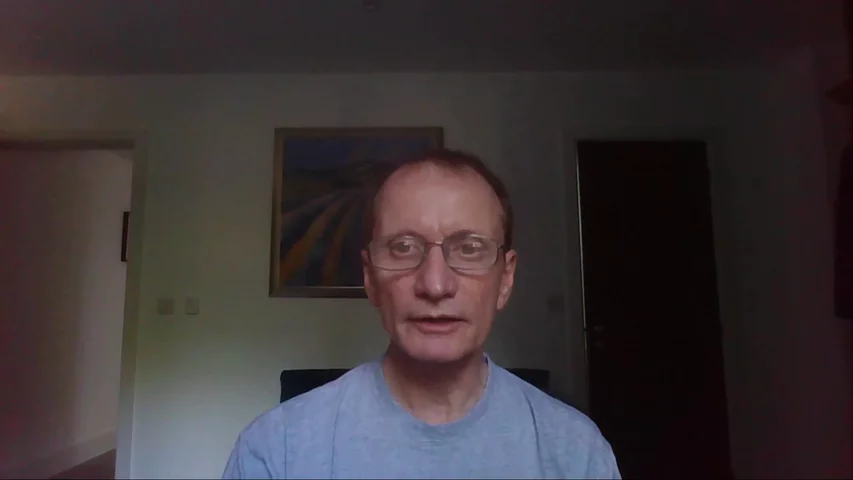
“Yes. I I think at the start, I was a bit concerned. I was it made me feel a little uncomfortable because it so clearly showed all these instances of fake, deep fakes, fake news, in unsubstantiated claims, and the like. And then I felt inspired when the BBC element came in that the BBC is a force for truth. The BBC is a force for impartiality. We saw journalists that we know like Lisa Doucette and Clive Myery and his voice was there. So I felt inspired and comforted in the second part. In the first part transfixed and quite surprised but shocked as well at the level of noise that is out there and fake news etcetera.”