Offer a Rush Protocol With Fast-Drying Formats and Wait Hacks
Facets
These facets are broadly related to the theme.
AM skincare goalsClassified by AI
The specific outcomes users aim to achieve each morning (both immediate benefits and functional goals).
Contextual variations in routineClassified by AI
Whether and how users change AM goals or steps depending on day‑to‑day context.
Trade‑offs willing to acceptClassified by AI
The compromises users will accept (e.g., longer routine, stronger texture, higher cost) to achieve goals.
Environment constraintsClassified by AI
Physical or situational constraints in the environment affecting the routine (lighting, sink size, interruptions) that influence application behavior.
Makeup interaction effectsClassified by AI
How each AM product/step impacts later makeup application and wear (pilling, grip, shine, longevity) to evaluate compatibility.
Product textureClassified by AI
The tactile/visual texture shown on fingers before application to understand formulation type and handling.
Reasons for skippingClassified by AI
Participant reasons for sometimes skipping a step (time, irritation, makeup compatibility, weather, not necessary) to understand barriers to usage.
Sequencing rationaleClassified by AI
Participant explanation for the order they apply products (by texture, by actives, by finish, by step category) to understand logic behind sequencing.
Stacking of activesClassified by AI
Whether participants layer actives (vitamin C, acids, retinol, AHAs/BHAs, niacinamide, etc.) and how they combine them to assess safety/routine complexity.
Wait time between stepsClassified by AI
Measured time participants wait between steps (seconds/minutes) to analyze required drying/absorption windows and stacking practices.
Wait time reasonClassified by AI
Participant explanation for why they wait a certain duration (e.g., absorption, layering actives, avoid pilling) to interpret intent behind timing.
AM skincare step that most affects makeup performanceClassified by AI
Which single morning skincare product or step has the largest impact on how makeup sits/wears. Used to identify key interactions.
Routine changes on makeup daysClassified by AI
Whether and how participants alter their AM skincare routine on days they wear makeup (quantity, product swaps, skipping steps).
Base makeup products used (relevant to skincare interaction)Classified by AI
Which base makeup items (primer, foundation, concealer, etc.) the participant uses that may interact with their AM skincare.
Makeup interaction issues observedClassified by AI
Specific problems participants notice when makeup is applied over their AM skincare (what goes wrong with makeup performance).
Frequency of skipping/combiningClassified by AI
How often participants skip or combine AM steps (captures prevalence/intensity of the behavior).
AM routine steps skipped or combinedClassified by AI
Which specific morning routine steps participants omit or merge; helps identify common shortcuts and which product types are affected.
In-the-moment decision rules (rules of thumb)Classified by AI
How participants decide on-the-spot which steps to skip or combine — explicit heuristics or rules of thumb they rely on.
Motivations for skipping/combiningClassified by AI
Underlying reasons participants give for omitting or merging steps (the why behind behavior).
Situational triggers for skipping/combiningClassified by AI
Situations or contextual factors that prompt participants to skip or combine steps (probes: time pressure, irritation, weather, workouts, travel).
Quotes

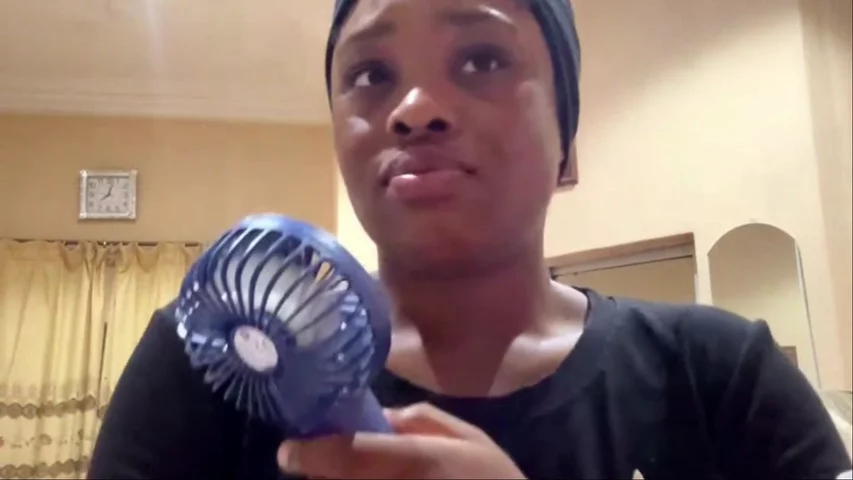
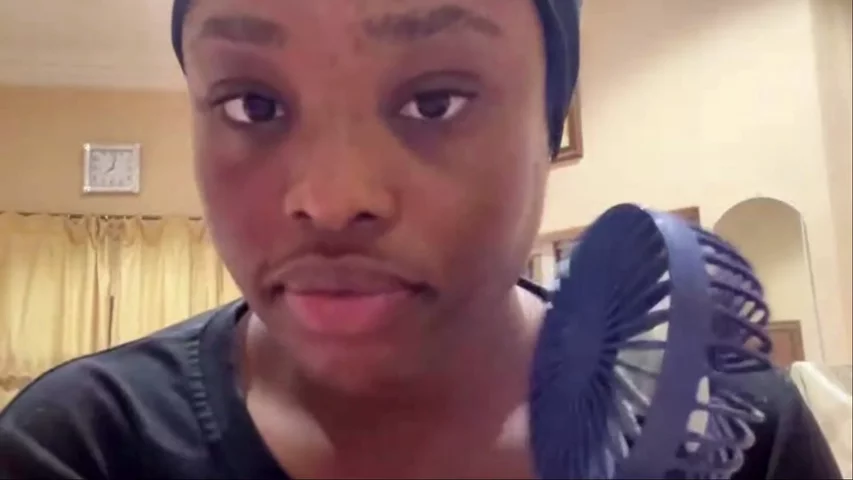
“Okay. So, I don't like wasting too much time, so I make use of, this fan. So I just put it on and just move it over my face till it's completely dry, and that usually takes seconds, I mean. And this is very lightweight, so it doesn't even take me up to a minute. I can see, like, twenty five seconds and yeah. Like, right now, I can move on to the next step of my routine. So yeah.”
“I do not weigh much. I am a really am patient. But, yes, do cream zoos like, the moisturizer should take longer than sertals, which I bit frustrated about. So I like to have a fan, a handheld fan on my face and let it dry because 99% of the times, I do not have the time to wait much, especially in the mornings because you have work. You wanna just, like, you know, get things done. So that's why I do the serums more. But when I do these trims, I just have those in my handheld fan, and I let it dry and then start putting the next thing. I cannot wait much. Probably two, three seconds what I can wait.”
“So I can find my hand over the pen. I think it's in my dress work bag or suitcase. But yeah. So I just hold it, like, in front of my face, and it dries up my cream, like, moisturizers. When I'm using serums, I use this massager, like, the Sculptor and massager. I got it from Amazon, and it has a hot setting. So this hot setting actually helps me absorb my serums and all my products. So if in between products it's not absorbing, I'll just either do the fan. And towards the end when I have put layered all the products, I nailed them down with this because it has a hot, like, heating up feature, which opens my pores and, like, you know, makes it, like, go in. So, yeah, things in the fact that I'm a weird one. Doesn't check the cabinets.”

“Yes. I put on eye cream, and then my moisturizer afterwards. And I try to not let it stay too long between the moisturizer and the makeup just because it might dry too much, and then I'll be stuck with the face that I had before where I didn't have anything on my face. So I try to make sure that I'm not letting it stay on my skin for too long because then it'll be like I have nothing on, but also not too early because it might pill.”


“Usually, if I feel like it's still on my skin, like it's a little bit wet, then I'll wait a little bit or get a fan or just fan myself in between just so it has time to go into the skin to absorb. And so when I put the next product or when I put on makeup, it won't look a mess and creased and not applied well.”



“I may skip the mist serum or toner component if it's very humid because it takes longer to dry or if I am just more in a hurry. I will never skip the washing my face or putting on moisturizer. Those are the the consistent elements in the routine no matter what I'm doing. That's why makeup, I might skip if I don't feel like it or I'm not going to the office or if I don't have any Zoom meetings where I'm gonna be on camera, I'll I'll definitely skip that.”

“Well, I usually wait about a minute or two bees between each step, so just enough time for my skin to breathe and fully absorb the product. After cleansing, I pat my face dry and let it settle before sunscreen so my skin feels balanced and not damp. Then after the s f SPF, I like to give it another short pause maybe while I'm doing my hair or make making coffee so it sets properly and doesn't mix with my makeup. So those little pauses make everything layer better and last longer throughout the day.”

“It really depends on the day. If I'm running late, I simplify my routine and combine steps, like using hydrating sunscreen instead of separate layers. But sometimes it's about how my skin feels. So if it's more balanced or humid outside, I go lighter. If it's dry or I've been traveling, I take the extra time to have a richer texture. So it's a mix of time, weather, and just listening to my skin.”
“So I mentioned this when I was recording my actual routine of placing the product that is now on my face, but I will wait between the dew drops and the serum because I feel like the dew drops are what leave me most moist and dries the slowest before I apply the serum. For every other step, I mostly just apply immediately except for the SPF, which I wear after my moisturizer, which I will wait five minutes between the moisturizer and applying sun balm, but I didn't do that for the sake of this interview brevity.”