Define Small-Dose Ranges to Prevent Tackiness Under Foundation
Facets
These facets are broadly related to the theme.
Discomfort experiencedClassified by AI
Any negative sensations or visible reactions reported during/after application to identify tolerability issues.
Makeup interaction effectsClassified by AI
How each AM product/step impacts later makeup application and wear (pilling, grip, shine, longevity) to evaluate compatibility.
Product textureClassified by AI
The tactile/visual texture shown on fingers before application to understand formulation type and handling.
Quantity usedClassified by AI
How much of each product the participant applies (e.g., pea-size, 1 pump, 2 pumps) to code dosing and common descriptors.
Reasons for skippingClassified by AI
Participant reasons for sometimes skipping a step (time, irritation, makeup compatibility, weather, not necessary) to understand barriers to usage.
Sequencing rationaleClassified by AI
Participant explanation for the order they apply products (by texture, by actives, by finish, by step category) to understand logic behind sequencing.
Stacking of activesClassified by AI
Whether participants layer actives (vitamin C, acids, retinol, AHAs/BHAs, niacinamide, etc.) and how they combine them to assess safety/routine complexity.
Wait time between stepsClassified by AI
Measured time participants wait between steps (seconds/minutes) to analyze required drying/absorption windows and stacking practices.
Wait time reasonClassified by AI
Participant explanation for why they wait a certain duration (e.g., absorption, layering actives, avoid pilling) to interpret intent behind timing.
AM skincare step that most affects makeup performanceClassified by AI
Which single morning skincare product or step has the largest impact on how makeup sits/wears. Used to identify key interactions.
Routine changes on makeup daysClassified by AI
Whether and how participants alter their AM skincare routine on days they wear makeup (quantity, product swaps, skipping steps).
Base makeup products used (relevant to skincare interaction)Classified by AI
Which base makeup items (primer, foundation, concealer, etc.) the participant uses that may interact with their AM skincare.
Makeup interaction issues observedClassified by AI
Specific problems participants notice when makeup is applied over their AM skincare (what goes wrong with makeup performance).
Quotes

“If I don't wait long enough for my products to sink into my skin, there will be pilling or patchiness. I noticed that I do pill around my eyes if I wear eye cream, and I don't let it sit long enough. But I think that also depends on the product because there are some or there is one specific eye cream that I've used before where it has made my concealer a pill.”

“So there are a few things. If I'm about to use foundation, I'll use less serums. Like, I would rather use Cirogane and then a really less amount of this. Like, I'll decrease the layering in a sense the amount of layering. I decreased the portions. I do not apply sunscreen when I'm wearing a foundation because I think that makes my skin looks really oily, and it makes my skin look heavy. Like, it just starts looking cakey and heavy and fake.”
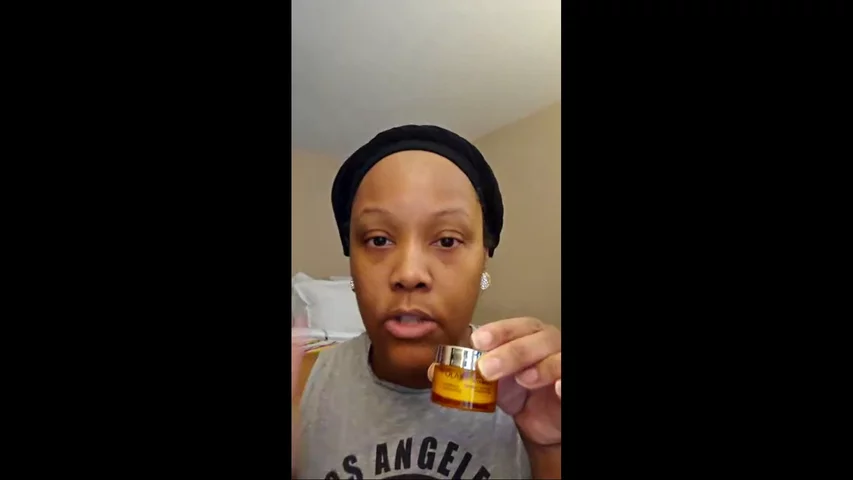
“Yes. If the Olay is on my eyebrows when I fill them in, it's not gonna stay. Like, it's gonna start, I guess you would say, like, spreading and bleeding down. It won't stay. So I have to make sure after I apply the Olay to all of my skin, I have to then use one of the pads to kinda just make the eyebrow portion just a little bit drier so that way when I go to fill in my brows, it stays.”

“No. I specifically look for products or have cut certain products out of my skincare routine if they do feel sticky or pill up or leave a residue. All of the products that I use, I mentioned it when I was applying it, sink into the skin really nicely, and they don't leave any type of tacky texture residue. I'm really particular about that.”

“And I was like, okay. Now I have white splotches on top of my face, and it's literally like I'm using moisturizer to get rid of any white splotches. But then because this acne cream dries white, it ends up where my face looks moisturized, but then I'm trying to find that balance where I'm using enough cream that is effective and it works, but I'm not using so much that my face is drying with white splotches or that is noticeable on my face. So finding that balance of the right amount of cream to use can be difficult.”

“How how much product I've determined, putting on my face? It goes by look and feel. It really goes by feel. I'll put on my I'm just really it's really instinctual. I'll put a drop on there, spread it out. If my face still feels still stiff, I'll put some more on there. But, yeah, my face really never felt dry putting a lot of stuff on.”
“I would say after you wash your face, pat your face dry, and then I would apply it like lotion. I would put a small amount, maybe like a dime size in your hand and just apply it all over your face, all the way down to your neck, to your chest, and just pat it with your hand until it is good in your skin. Wait five minutes, and then apply your primer or move on to your makeup. No need to reapply.”
“If my skin is looking hydrated, if it's looking not very oily and that makeup is going on really well, that I know it is working. In the past, I've tried, like, a new product and trying to figure out, how much to use and when to use it. Other times, it's pilled really badly. Little bits of the product, like little circles all over your face, and it doesn't feel good. It doesn't feels like you're wasting product. It's not even it's not even going into your skin or doing anything. So I know it's not working.”

“Okay. So after my toner, I make use of this serum. It's a whitening faith spot serum. The actives here are arbutin and niacinamide. As you can see, I have some dark spots, and that has actually helped me a lot. So, so what I do, I take a pump of it, and I apply it, a drop on my forehead, a drop on my cheek, on my nose, and, here, just below my lips. And that's, like, four drops. And I just use my hand and spread it around my face like this. Yeah. And, yeah, and this is also very clear. And I like that a lot because at the same time, it isn't too thick. So it's almost like there's nothing on my face. I don't like when my face feels heavy during my skincare, so that's why I love the products I use. They are very lightweight. So yeah. And I also go in with my fan. This will take a little bit more time than sorry. Not because this is a little thicker than my tuna. So I leave this on and allow it dry with my fan for about thirty seconds. So yeah.”